Sugar is, for most people today, an unremarkable household staple. For roughly three centuries, it was also one of the most consequential and destructive commodities in world history. The expansion of sugar cultivation across the Atlantic world, from Brazil through the Caribbean to the southern mainland colonies of North America, created a plantation labor system built on the forced, lifelong, and often brutally shortened labor of enslaved Africans and their descendants. Understanding sugar's history requires keeping that human reality at the center, rather than treating the crop simply as an economic success story.
Sugar's Long Journey from Asia to the Atlantic Islands
Sugarcane is believed to have originated in New Guinea and nearby parts of Southeast Asia, spreading over centuries to South Asia, where cultivation and refining techniques were further developed. From there, knowledge of sugar production moved west through Persia and the medieval Islamic world, which historians credit with spreading irrigation and milling techniques across North Africa and into the Mediterranean. European crusaders and merchants encountered sugar production in the eastern Mediterranean and began establishing small-scale cane plantations on islands such as Crete and Cyprus.
The critical turning point for the Atlantic world came when Portuguese and Spanish colonizers transplanted sugar cultivation to Atlantic islands including Madeira, the Canary Islands, and São Tomé beginning in the fifteenth century. On these islands, planters developed the basic template that would later be exported across the Atlantic: large landholdings dedicated to a single cash crop, intensive and dangerous processing work, and a growing reliance on enslaved labor, initially involving both African and some Indigenous or North African captives, to replace the free and indentured workers who proved insufficient or unwilling to meet the brutal demands of the work.
The Plantation Complex Takes Root in Brazil and the Caribbean
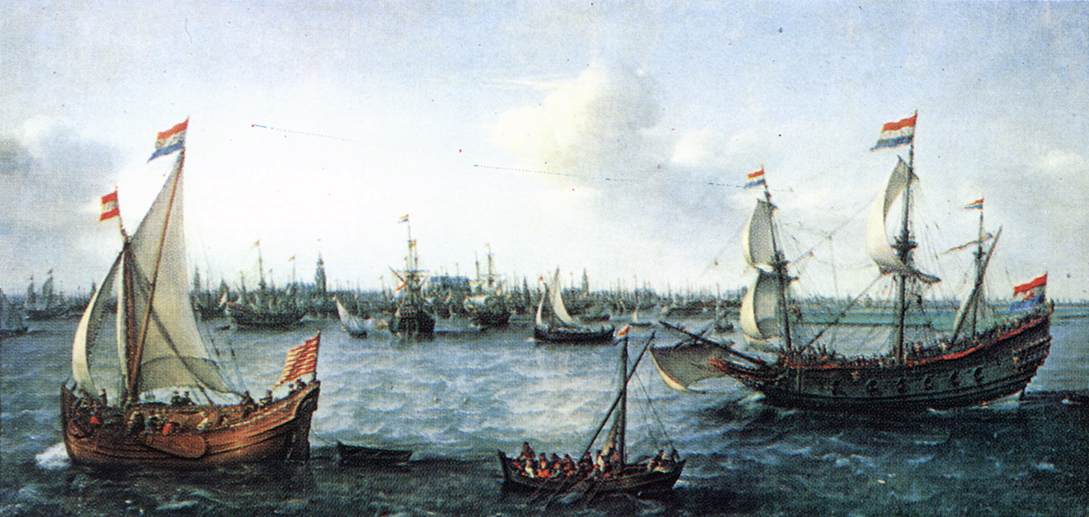
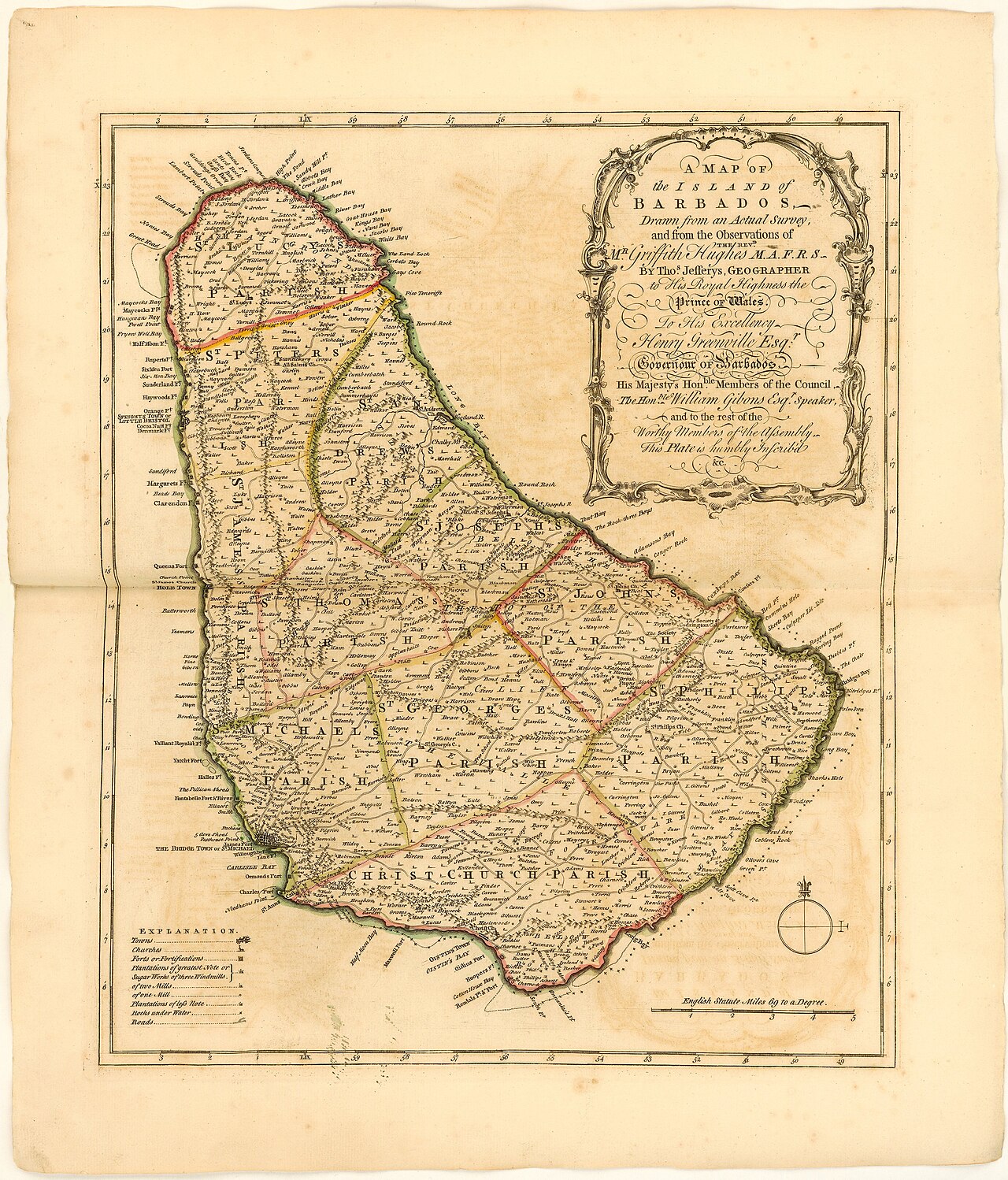
Portuguese colonizers established the first major Atlantic sugar colony in Brazil beginning in the sixteenth century, and by the early 1600s Brazil had become the world's leading sugar producer. Dutch, English, and French colonizers later developed competing sugar colonies across the Caribbean, most significantly in Barbados starting in the 1640s and later in Jamaica and the French colony of Saint-Domingue, present-day Haiti, which by the eighteenth century had become one of the most profitable colonial territories in the world for its European owners.
Sugar production required an unusual combination of agricultural and industrial labor. Cane had to be cut and transported quickly, within roughly a day or two, before it spoiled, and then crushed and boiled in mills to extract and refine the juice into raw sugar and molasses. This created a grueling, around-the-clock work rhythm during harvest season, often lasting many months, that planters imposed on the enslaved people they held in bondage. Plantations grew into large, highly organized operations combining field labor, mill work, and domestic servitude, all under the direct control of a planter class that held near-total legal and physical power over the enslaved population.
The Human Cost: Enslaved Labor and the Production of Sugar
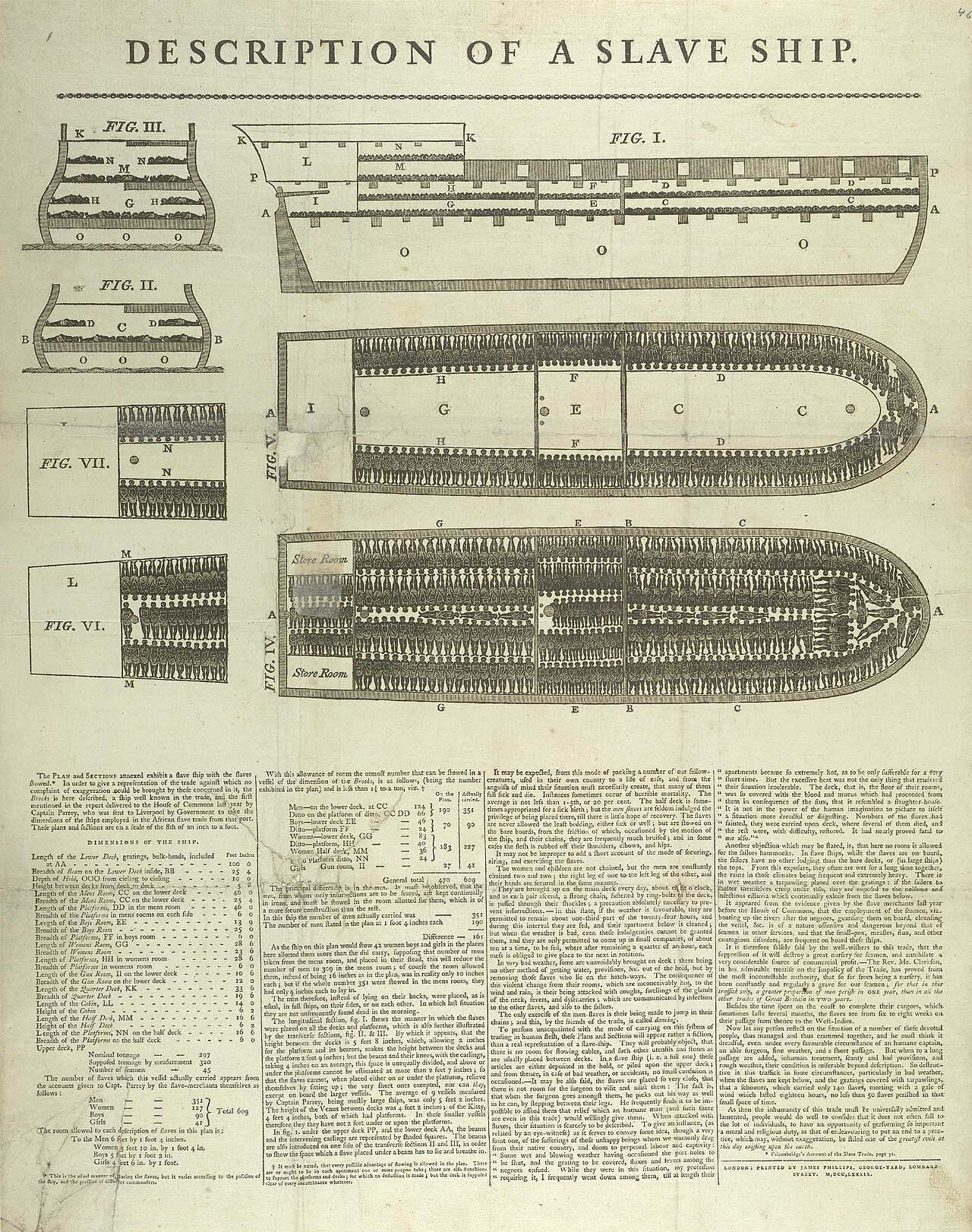
Sugar plantations were sustained entirely by forced labor, and scholars widely regard sugar colonies as among the deadliest destinations in the entire history of the trans-Atlantic slave trade. Historians have offered various estimates, generally describing them as approximations drawn from incomplete surviving records, suggesting that mortality rates on sugar plantations were markedly higher than on plantations growing other crops, driven by overwork, inadequate food and shelter, tropical disease, and violent punishment. Some researchers estimate that enslaved populations on many Caribbean sugar islands required constant replenishment through the slave trade simply to maintain their numbers, because births were too few and deaths too frequent for the population to sustain itself, a pattern that differed from some mainland North American colonies.
Enslaved people on sugar plantations endured family separation, denial of legal personhood, and constant threat of violence, while also sustaining their own cultures, religious practices, and kinship networks under extraordinary pressure. Resistance took many forms, including work slowdowns, flight, the formation of maroon communities in remote areas, and periodic uprisings, reflecting ongoing human agency and resistance within a system designed to deny both. None of this should be romanticized as adventure or read as softening the brutality of the system; it reflects the resilience of people subjected to conditions that scholars continue to study and document soberly, drawing on plantation records, court documents, and archaeological evidence rather than on invented narratives.
Sugar's Place in a Wider Atlantic Economy
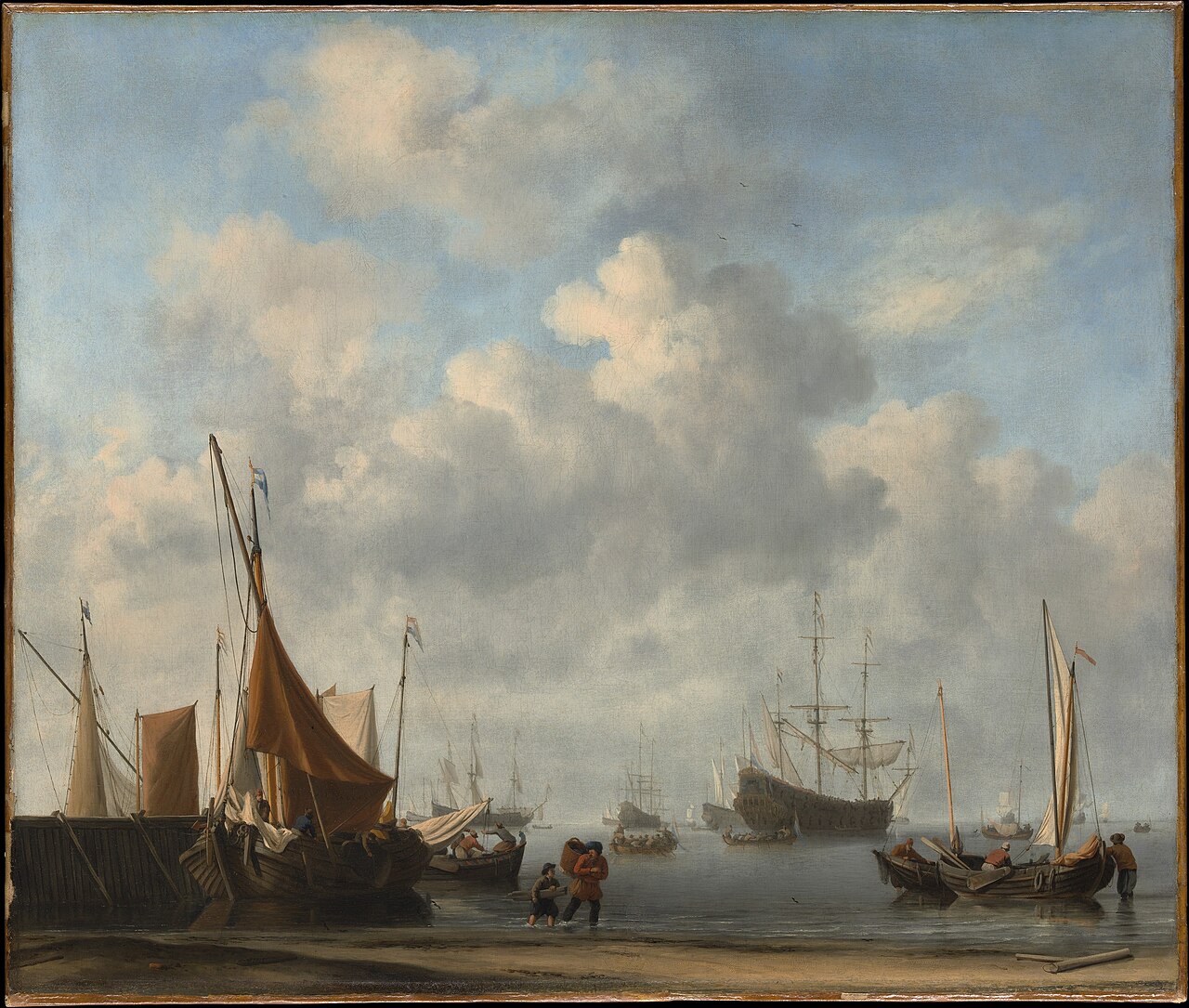
Sugar and its byproducts, particularly molasses used to distill rum, became central to Atlantic commerce and to the finances of European colonial powers and their merchant classes. Refineries in European port cities processed raw sugar shipped from the colonies, and sugar consumption rose sharply among European populations over the seventeenth and eighteenth centuries, becoming linked to the growing popularity of tea and coffee. The profits generated by sugar colonies helped finance shipping, insurance, and banking activity in port cities on both sides of the Atlantic, and some historians argue that sugar wealth contributed meaningfully to capital formation in parts of Western Europe, though the scale of that contribution relative to other economic factors remains a subject of ongoing historical debate.
Confronting the Legacy of the Sugar Plantation System
The sugar plantation economy did not end quickly or cleanly. Abolitionist movements in Britain, France, and elsewhere grew through the late eighteenth and nineteenth centuries, and formal slavery was abolished at different times across different colonies, often followed by extended systems of indentured or coerced labor that continued to exploit formerly enslaved people and new migrant workers on many of the same plantations. The social and economic effects of centuries of forced sugar labor persisted long after emancipation, shaping patterns of land ownership, racial inequality, and economic development across much of the Caribbean and Brazil that scholars and descendant communities continue to study and reckon with today. Readers interested in the broader commercial world that sugar colonies were embedded within can explore the maritime trade era timeline, and the policies that European states used to control colonial trade in commodities like sugar are discussed in the article on mercantilism. Sugar's history stands as a stark reminder that some of the most ordinary consumer goods in the modern world carry an extraordinarily heavy and still-unresolved human history.