A good natural harbor has shaped the fortunes of cities for thousands of years. Wherever ships could load and unload safely, merchants gathered, warehouses rose, and populations grew far beyond what the surrounding countryside alone could support. Across the maritime trading era, from the medieval Mediterranean through the age of Atlantic and Asian sea routes, ports functioned as the connective tissue of global commerce, and the cities that grew up around them became some of the most dynamic, diverse, and unequal places in the world.
Medieval and Early Mediterranean Ports
Long before oceanic trade linked continents, Mediterranean port cities had already built sophisticated commercial networks. Venice and Genoa, rival maritime republics, grew wealthy and powerful from the eleventh century onward by controlling trade routes that carried silk, spices, and other goods between Asia, the Byzantine world, and Western Europe, often via intermediary markets in the eastern Mediterranean and Black Sea. Their merchants developed early forms of marine insurance, commercial law, and convoy systems to protect valuable cargo, innovations that would influence commercial practice for centuries. Farther north, a federation of merchant towns known as the Hanseatic League, anchored by cities such as Lübeck, Hamburg, and Bruges, dominated trade across the Baltic and North Seas from roughly the thirteenth through seventeenth centuries, moving grain, timber, furs, and fish along a network of allied ports that cooperated to protect shared trading interests.
Atlantic Expansion and the Growth of New Port Cities
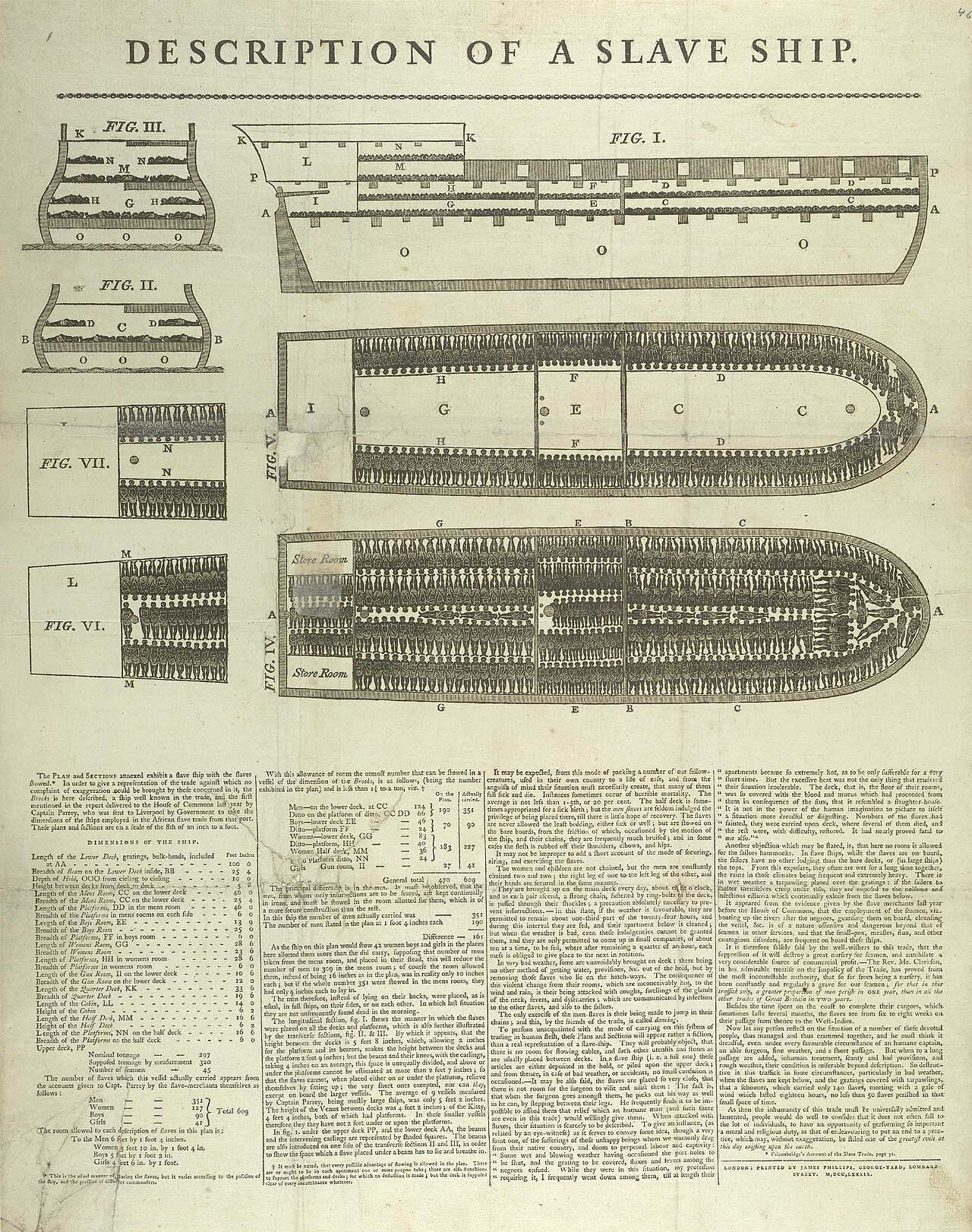
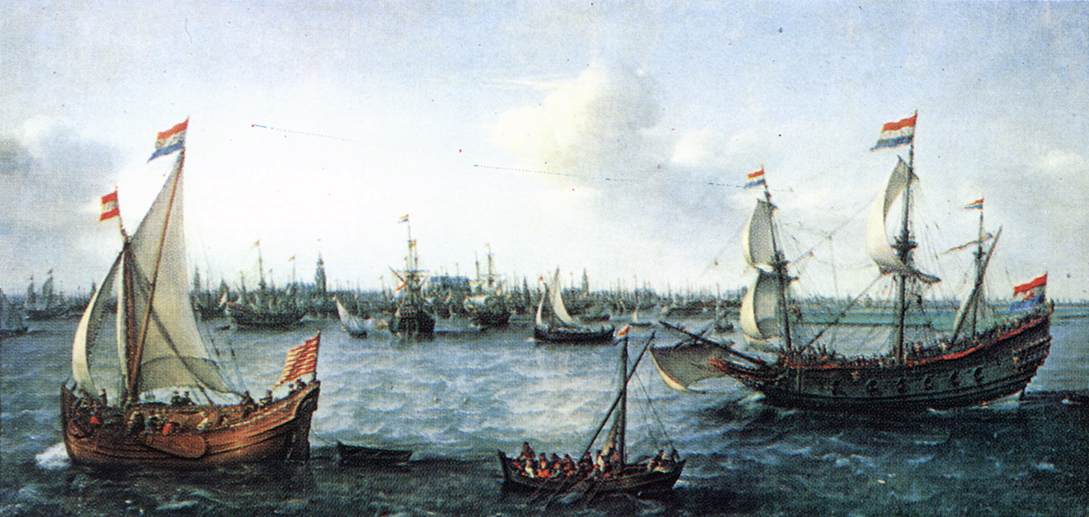
The opening of Atlantic sea routes in the fifteenth and sixteenth centuries shifted much of Europe's commercial center of gravity away from the Mediterranean and toward ports facing the open ocean. Lisbon and Seville rose rapidly as hubs of Portuguese and Spanish colonial trade, while Amsterdam, benefiting from Dutch shipbuilding expertise and the organizational power of chartered companies discussed in our article on the rise of chartered trading companies, became the leading commercial city in Europe during much of the seventeenth century. English ports including Bristol and, later and more significantly, Liverpool grew enormously on the strength of transatlantic trade, much of it tied directly to the forced trade in enslaved people and the plantation goods their labor produced, a history examined in our article on Atlantic trade and the human cost of enslavement. By the late eighteenth century, Liverpool had become one of the busiest ports in the world, its wharves and warehouses built substantially on profits from this trade.
Infrastructure, Labor, and the Texture of Port Life
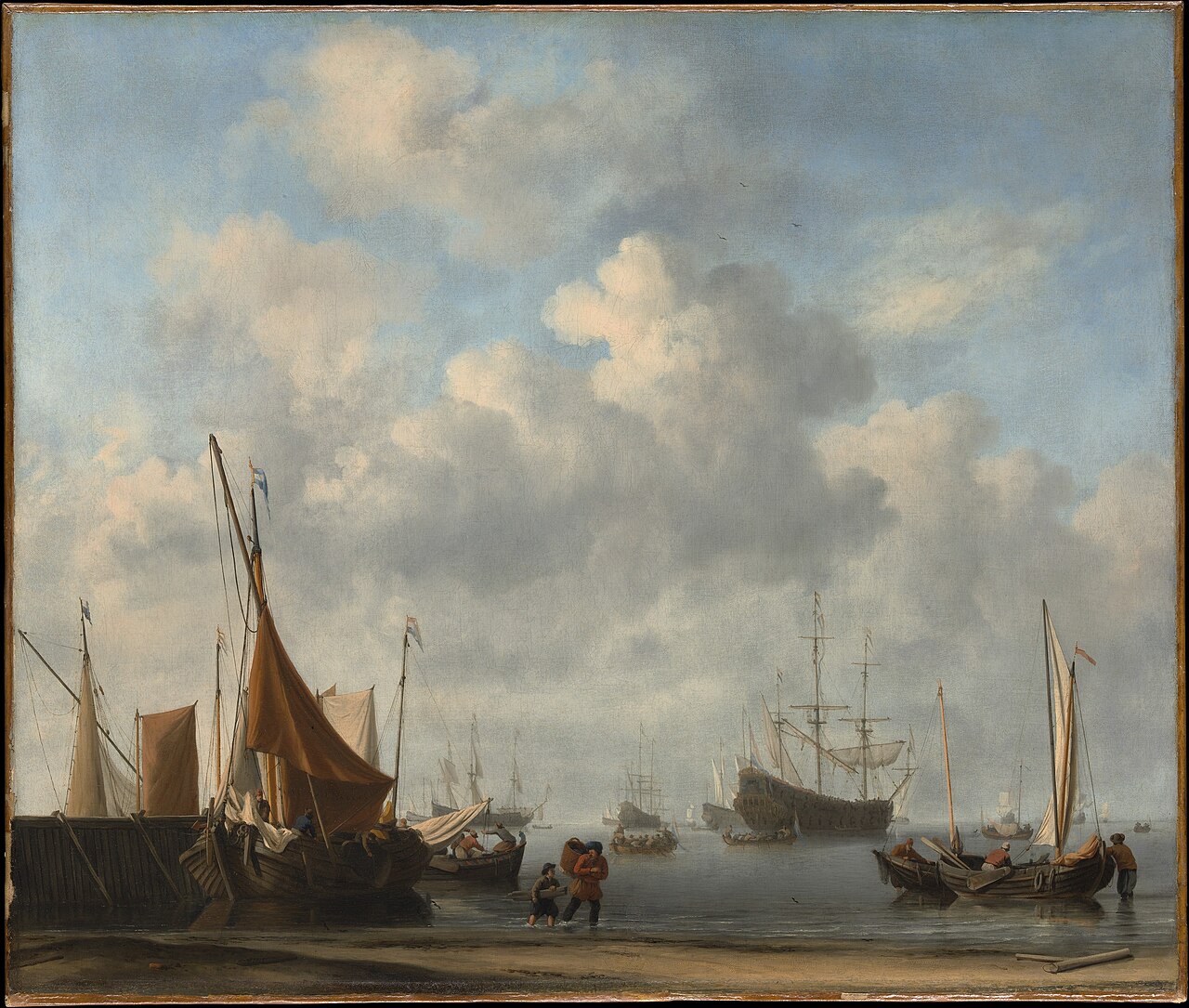
Commercial growth demanded physical infrastructure: deep-water docks, cranes, customs houses, warehouses, and increasingly elaborate systems for weighing, taxing, and recording cargo. Port cities also required enormous amounts of labor. Dockworkers loaded and unloaded ships by hand well into the twentieth century, often under grueling, irregular, and poorly paid conditions, while shipbuilders, rope makers, sailmakers, and victuallers formed entire industries oriented around the needs of maritime trade. These cities drew migrants and merchants from far beyond their immediate regions, producing cosmopolitan populations that mixed languages, religions, and cultures to a degree unusual for their time, while also concentrating poverty, crowding, and disease in dockside districts that often stood in stark contrast to the wealth accumulated by merchant elites. Many port cities developed distinct merchant quarters and trading communities, including resident foreign merchants who were granted special legal privileges to facilitate trade with their home regions.
Port Cities Beyond Europe
Port cities played a similarly central role across Asia and the wider world. Malacca, on the strait that bears its name, was a major hub of the spice and textile trade among Chinese, Indian, Arab, and Southeast Asian merchants for centuries before European powers arrived and later contested control of it. Guangzhou, known to early Western traders as Canton, served for long periods as China's principal port open to foreign commerce, operating under tightly regulated terms set by Chinese authorities. Calcutta grew into a major trading and administrative center under the English East India Company's control of Bengal. Singapore, founded as a British trading post in 1819, grew rapidly due to its position along the strait linking the Indian Ocean and South China Sea, becoming one of the busiest and most important ports in Asia within just a few decades, a role its successor port largely retains today.
Lasting Significance
The commercial cities built around maritime trade left a legacy that extends well beyond their original purpose. Many of the world's largest contemporary cities, including New York, London, Shanghai, and Singapore, trace their early growth directly to their roles as trading ports, and the infrastructure, legal institutions, and cosmopolitan character that port life encouraged remain visible in their urban fabric today. The history of these cities is also a reminder that commercial prosperity was rarely distributed evenly: enormous wealth accumulated alongside exploitation, crowded and unsafe living conditions for laborers, and, in many cases, direct entanglement with forced labor and colonial conquest. Ports and the cities around them remain one of the clearest physical expressions of how global trade has, for centuries, reshaped not just economies but the very geography of human settlement. For more on this period, see the maritime trade timeline.