By the early seventeenth century, long-distance trade with Asia, Africa, and the Americas demanded far more capital, and carried far more risk, than any single merchant or family firm could easily bear. A single voyage to the East Indies might take two years, and a ship might never return at all. European governments responded by granting royal charters to groups of investors, creating joint-stock trading companies with exclusive legal rights to trade in a given region. These chartered companies pooled capital, spread risk among many shareholders, and in time grew into organizations with their own armies, courts, and colonial territories, wielding power that rivaled many of the states that had created them.
Why Monarchs Chartered Companies
A royal charter granted a company a legal monopoly over trade with a specified region, along with rights that today would belong exclusively to governments: the ability to raise armed forces, strike treaties with local rulers, mint coin, and administer justice in territories under its control. For monarchs, chartering a company offered a way to project commercial and political power overseas without committing the crown's own treasury or navy to the full cost and risk of distant ventures. For investors, the joint-stock structure, in which many shareholders contributed capital and shared in profits and losses in proportion to their investment, made it possible to fund extraordinarily expensive voyages and finance years of trading activity before any return was seen. This innovation in pooling and spreading financial risk, discussed further in our article on banking and credit in early commerce, laid groundwork that would shape corporate finance for centuries afterward.
The Dutch and English East India Companies
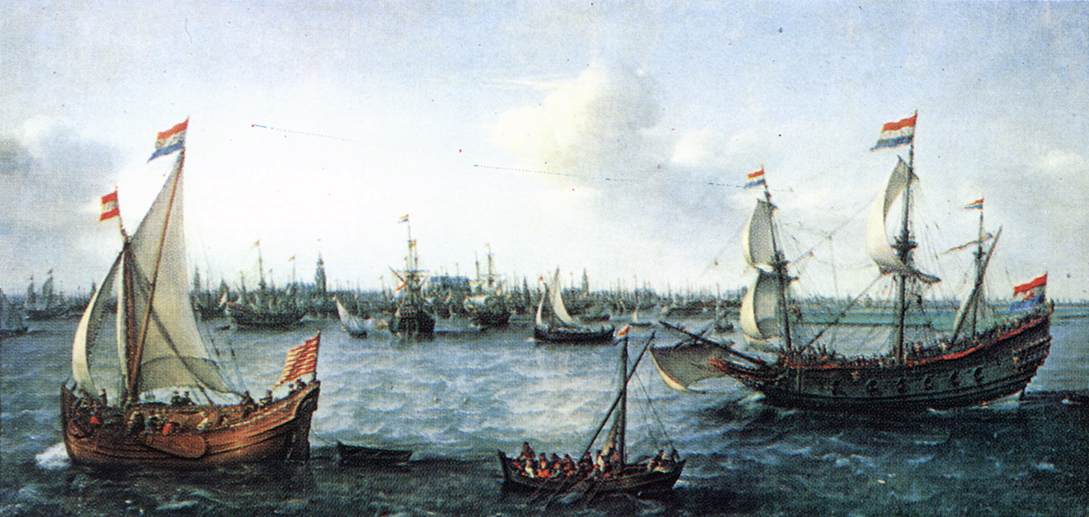
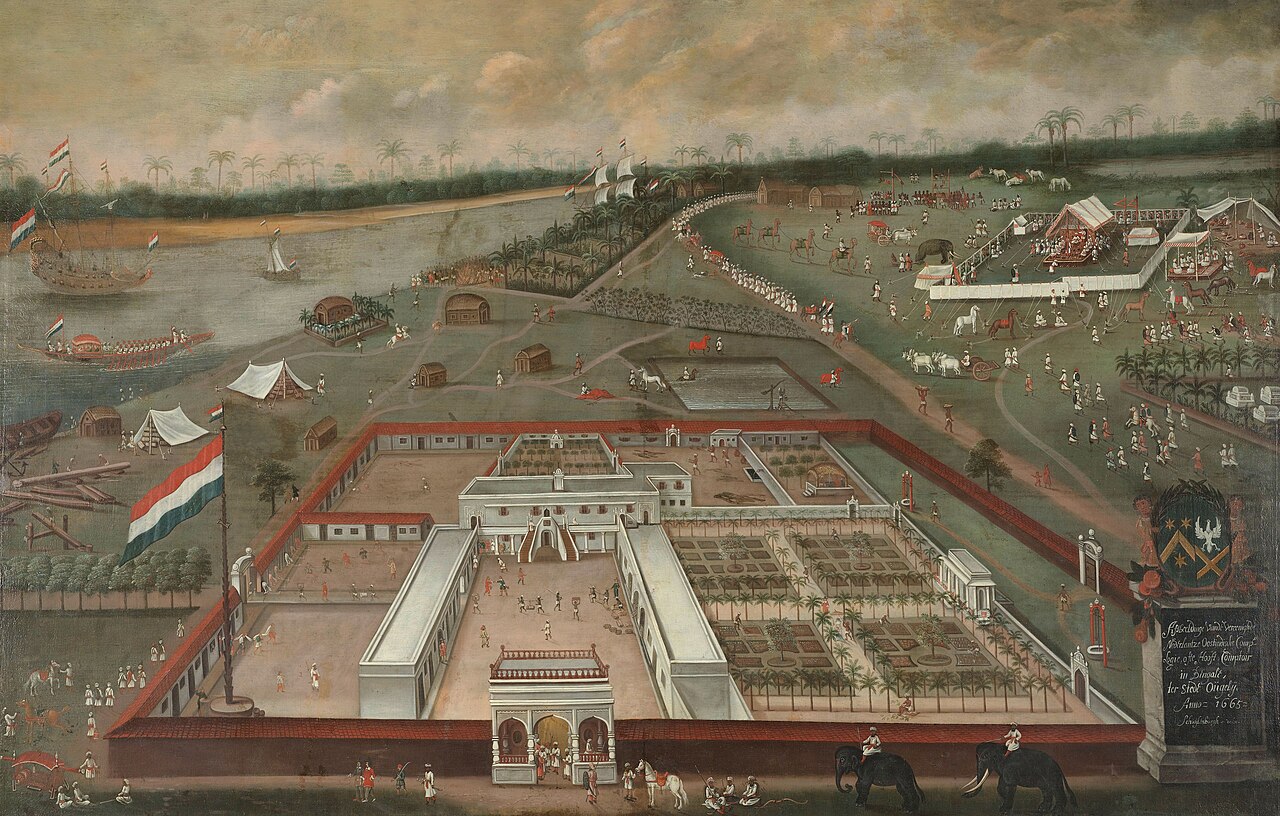
The Dutch East India Company, generally known by its Dutch initials VOC, was established in 1602 when the Dutch government merged several competing trading ventures into a single chartered monopoly over trade with Asia. Many historians consider it the first true joint-stock company, in that its shares could be freely bought and sold on the newly formed Amsterdam exchange. The VOC built a trading empire centered on spices, particularly nutmeg, cloves, and pepper, and maintained fortified trading posts, a private navy, and administrative control over territory across what is now Indonesia. England's East India Company, chartered in 1600, pursued similar ambitions in India and Southeast Asia, trading initially in spices and later in textiles, tea, and opium, and gradually expanding from commercial activity into direct governance of large parts of the Indian subcontinent through alliances, military conquest, and manipulation of local political rivalries.
Both companies operated with a degree of sovereignty that is almost unimaginable for a modern corporation. They negotiated as equals with regional rulers, waged wars, and administered justice over the populations within their trading posts and territories, effectively functioning as extensions of their home governments while remaining private, profit-seeking enterprises accountable mainly to shareholders.
Beyond Asia: Companies Across the Globe
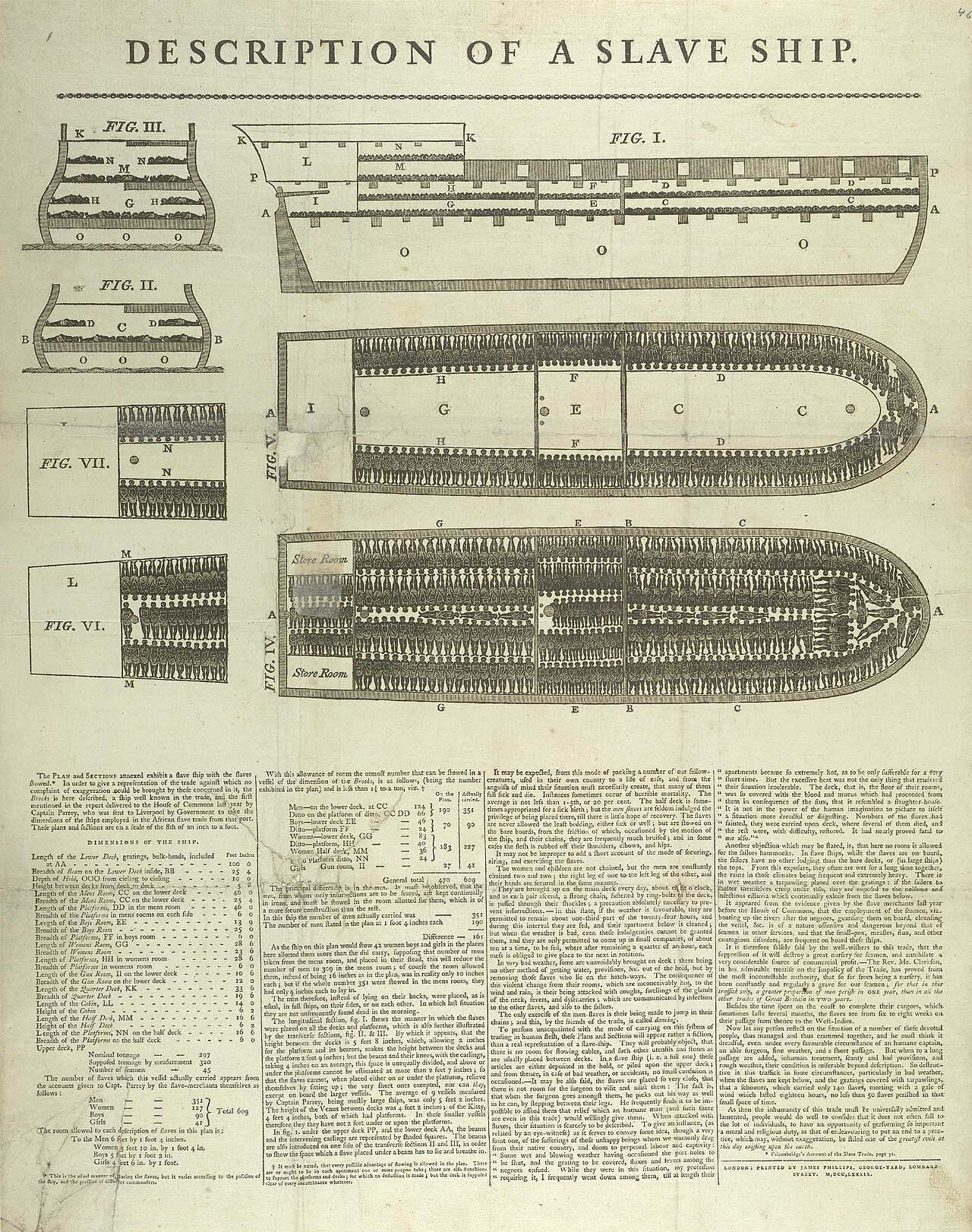
The chartered company model spread well beyond the spice and textile trade with Asia. England's Muscovy Company, founded in 1555, sought trade with Russia; the Levant Company pursued commerce with the Ottoman Empire; and the Hudson's Bay Company, chartered in 1670, held an enormous monopoly over the fur trade across much of what is now Canada, building relationships, often fraught and unequal, with Indigenous trading partners whose knowledge and labor underpinned the entire fur economy. The Royal African Company, chartered by England in 1672, held a monopoly over English trade along the West African coast, including the forced transport of enslaved Africans, a trade whose devastating human toll is explored in our article on Atlantic trade and the human cost of enslavement. These companies illustrate how the chartered model was applied, with similarly profound and often harmful consequences for the people whose land and labor they relied on, across almost every corner of the globe that European powers sought to access.
Profits, Power, and Exploitation
Chartered companies generated enormous wealth for their investors and home countries, financed the construction of ports, warehouses, and ships, and helped build the financial infrastructure of early modern Europe, including stock exchanges and modern insurance markets. Their activities also produced serious harm. The VOC's control over the nutmeg trade in the Banda Islands involved violent conquest and, by many historical accounts, the killing or expulsion of much of the islands' population in the 1620s to secure a monopoly. The English East India Company's rule in Bengal has been linked by historians to policies that worsened the severity of famine in the region later in the eighteenth century, even as the company extracted substantial tax revenue and trade profits. These companies operated with minimal oversight from the governments that chartered them, and the pursuit of profit frequently took precedence over the welfare of the populations under their control.
Decline and Lasting Significance
Over time, the concentration of political and economic power in company hands drew increasing criticism, and governments gradually reasserted direct control. The British government took over formal administration of India from the East India Company following a major uprising in 1857, and the company was dissolved soon after. The VOC, weakened by corruption, competition, and the costs of war, went bankrupt and was dissolved in 1799, with its territories passing to direct Dutch government control. Even as the original companies faded, the organizational model they pioneered, pooled capital, limited shareholder liability, tradable shares, and a board accountable to investors, became the template for the modern corporation. The chartered trading companies of the maritime era remain a pivotal chapter in the history of global trade, showing both how private enterprise could mobilize capital on an unprecedented scale and how easily commercial power, left unchecked, could become a tool of conquest and exploitation. Readers can explore more of this period in the maritime trade timeline.