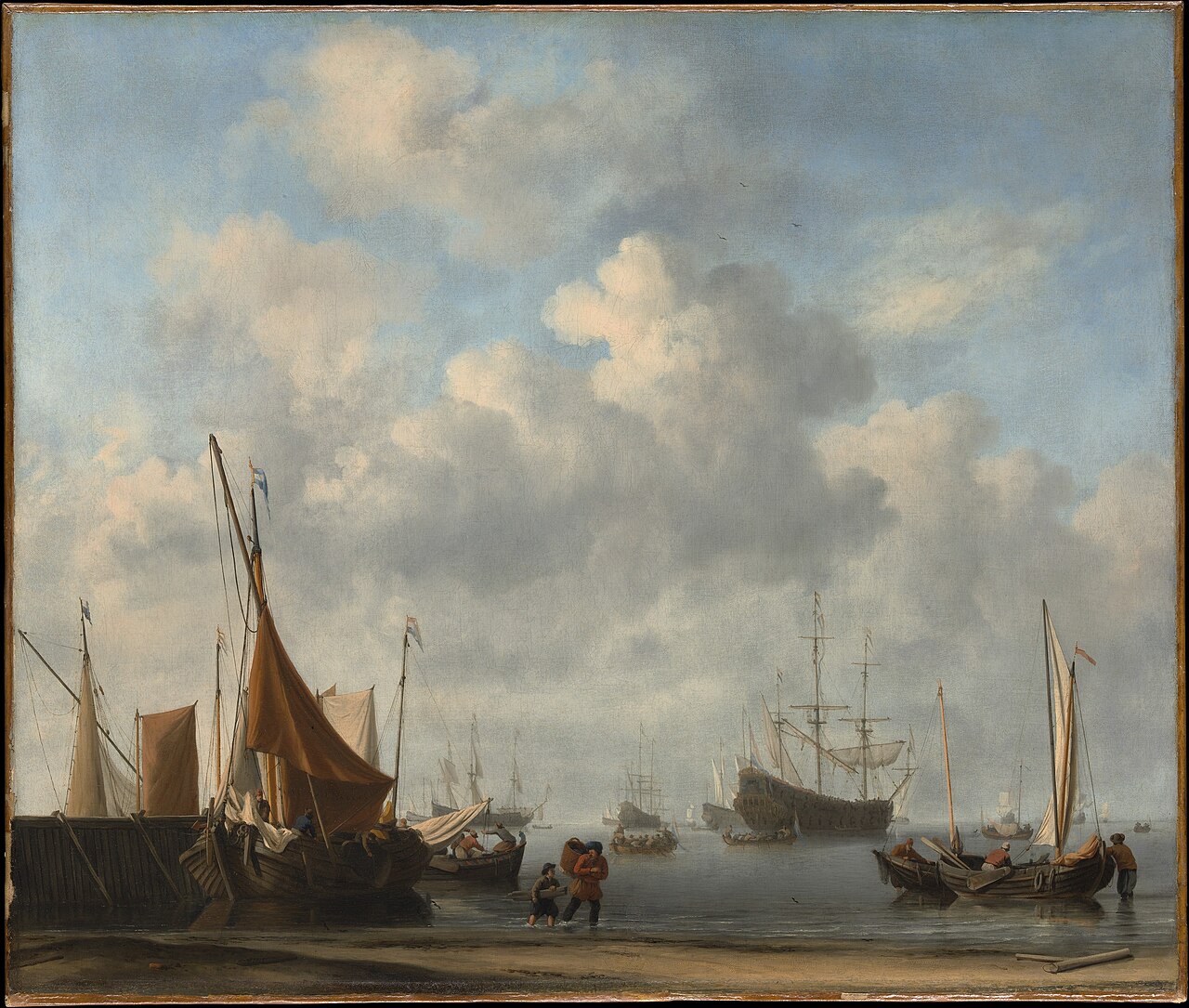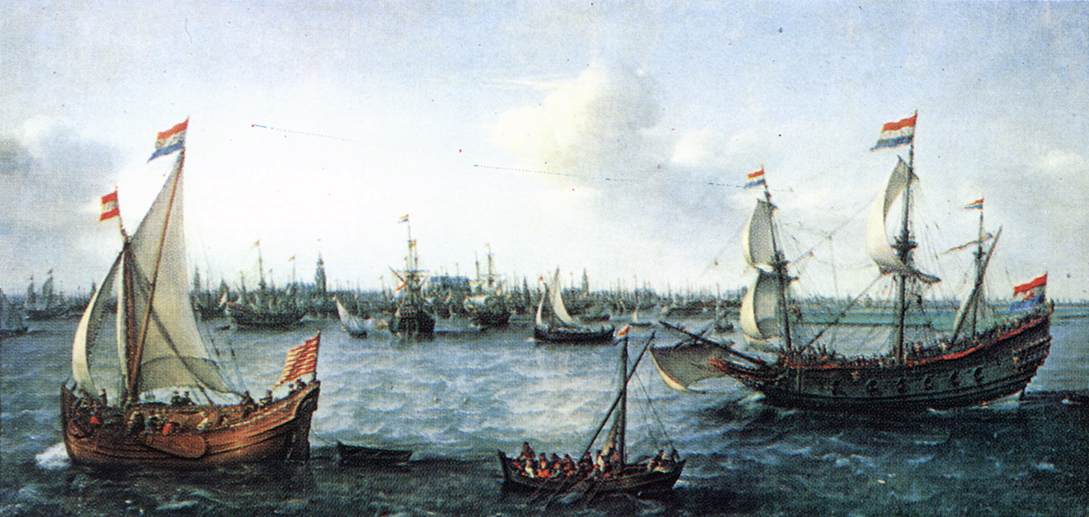
Between the fifteenth and nineteenth centuries, a vast network of maritime trade routes connected Europe, Africa, and the Americas in what historians call the Atlantic trading system. At its center was the forced transportation of millions of African men, women, and children across the ocean to labor, without pay or freedom, on plantations and in mines thousands of miles from their homes. This system, often described through the bloodless language of commerce, was built on sustained violence, the destruction of families, and the denial of basic human dignity to generations of people. Understanding it honestly means keeping the human beings at its center, rather than reducing their experience to cargo manifests and trade statistics.
Origins of a System of Exploitation
Forms of slavery existed in many societies long before European ships reached West Africa, including within African kingdoms, the Mediterranean world, and parts of the Islamic world, where captives were often absorbed into households, armies, or regional trade networks under widely varying conditions. What developed along the Atlantic coast beginning in the 1400s was different in both scale and character. Portuguese sailors reached West Africa in the early fifteenth century seeking gold and a sea route to Asia; within a few decades they, and soon other European traders, were purchasing captive Africans for transport, first to Europe and the Atlantic islands, and later, in far greater numbers, to the Americas. As European colonizers established sugar, tobacco, and later cotton plantations across the Caribbean, Brazil, and North America, demand for forced labor grew sharply, and the trade expanded into a system many historians describe as racial chattel slavery, in which enslaved people and their children were treated as permanent, inheritable property rather than as workers with any legal personhood.
Several European nations, including Portugal, Spain, England, France, and the Netherlands, organized and profited from this trade over roughly four centuries. Chartered companies such as the Royal African Company, discussed in more detail in our article on the rise of chartered trading companies, were granted monopolies by their governments to carry on the trade in enslaved people alongside other goods, embedding the practice deeply within state-sponsored commerce rather than leaving it to isolated individuals. By the eighteenth century, the trade had grown into one of the largest and most lucrative branches of Atlantic commerce, with hundreds of ports on three continents tied into its routes and financing.
The Triangular Trade and the Middle Passage
Scholars often describe the system as a triangular trade. Ships departed European ports carrying manufactured goods, textiles, firearms, and other merchandise bound for the West African coast, where these goods were exchanged, often through African intermediaries and coastal kingdoms, for captives who had typically been seized or sold as a result of warfare, raiding, or debt. Those captives were then forced aboard ships for the Atlantic crossing known as the Middle Passage, a journey that researchers working with the Trans-Atlantic Slave Trade Database estimate lasted, on average, between one and three months, depending on winds, routes, and the ship's point of origin. On the final leg of the circuit, ships carried sugar, cotton, tobacco, and other plantation goods back to Europe, completing a cycle that was repeated many thousands of times.
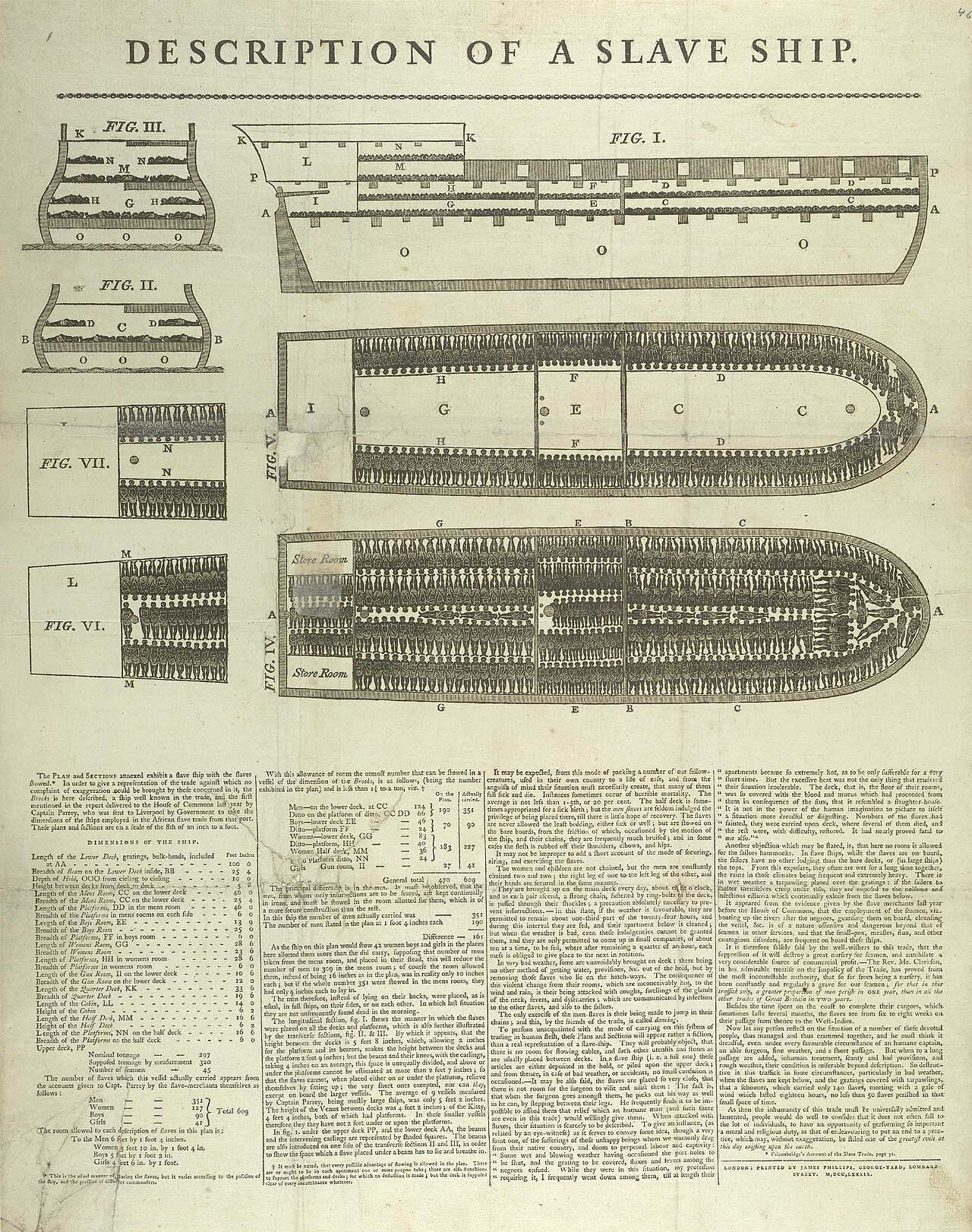
Conditions aboard slave ships were deliberately brutal. Captives were chained together and packed into cramped, unsanitary holds with little room to move, inadequate food and water, and almost no access to fresh air. Disease, dehydration, and despair killed enormous numbers of people before ships ever reached land, and some captives chose to take their own lives rather than endure the voyage. Historians who have worked extensively with shipping records and port documents, most notably through the Slave Voyages project associated with Emory University, estimate that more than 12 million people were forced aboard ships bound for the Americas, and that roughly 1.8 million of them, by various scholarly estimates, did not survive the crossing. These figures, drawn from incomplete and imperfect historical records, continue to be refined by researchers, but they point to a scale of death and suffering that is difficult to comprehend. Behind every number was a person torn from family, language, and homeland, often never to see any of them again.
Lives Under Enslavement
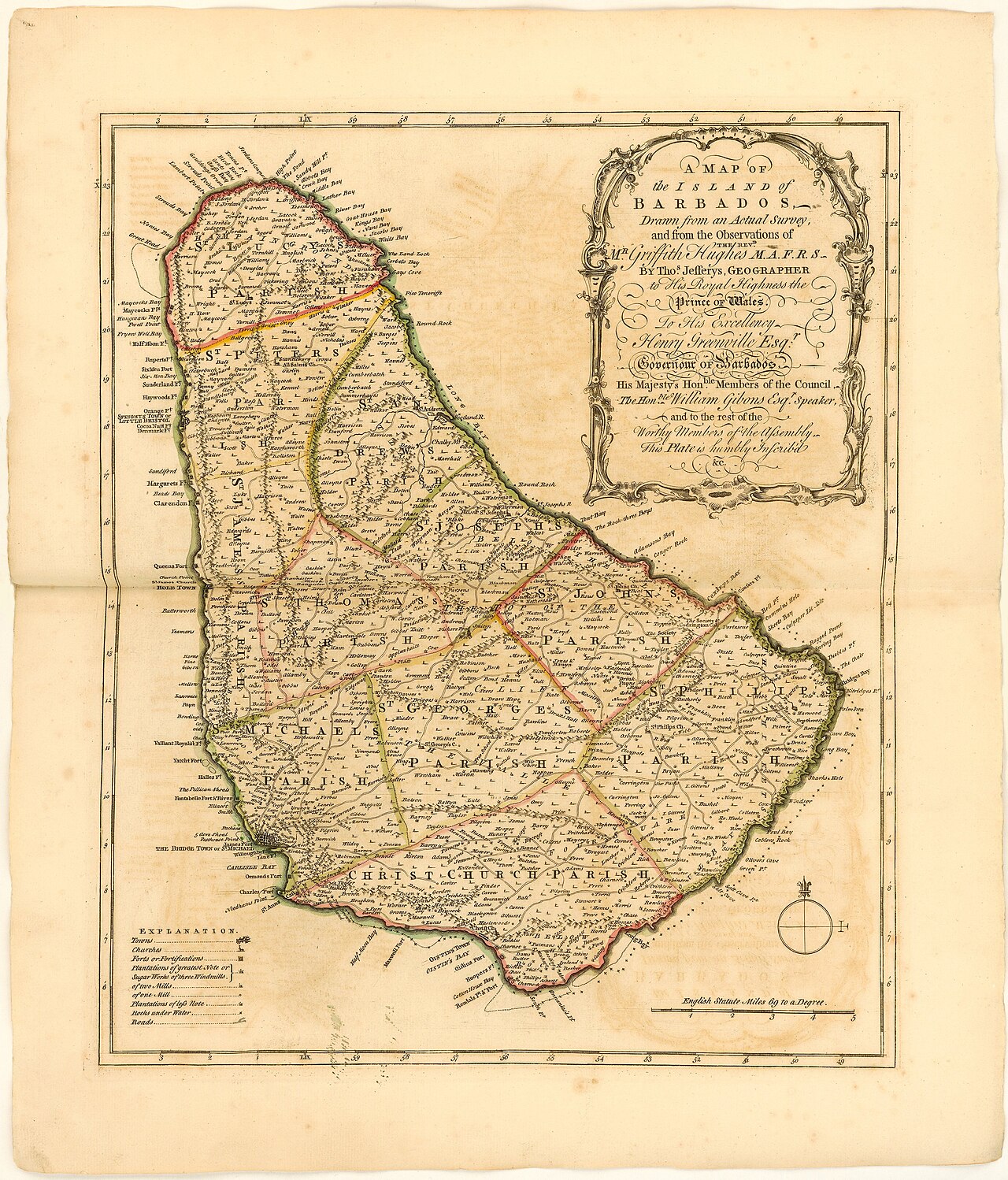
Arrival in the Americas did not end the violence; for most captives it began a lifetime, and often generations, of forced labor under the constant threat of punishment. Enslaved people were set to work on sugar estates in the Caribbean and Brazil, on tobacco and rice plantations in the North American colonies, and later on cotton plantations across the American South, work that generated enormous wealth for planters, merchants, and the broader economies of colonial powers. Families were routinely separated through sale, and enslaved people had no legal standing to protect marriages, parental rights, or even their own bodies. Enslavers used physical punishment, sexual violence, and the constant threat of sale to maintain control over people whose labor, skill, and knowledge, in agriculture, craft trades, and household management, underpinned entire colonial economies.
Despite these conditions, enslaved people sustained communities, languages, religious practices, and cultural traditions, many of which blended African, European, and Indigenous American influences into new forms that continue to shape music, cuisine, religion, and language across the Americas today. Enslaved people also resisted their bondage in many ways, from everyday acts of noncooperation and the preservation of family and community ties where possible, to escape and organized uprisings such as the Haitian Revolution, which began in 1791 and led to the establishment of an independent nation governed by formerly enslaved people. These acts of resistance, carried out at tremendous personal risk, were central to the eventual unraveling of slave societies across the Atlantic world, alongside the efforts of abolitionist movements in Europe, the Americas, and among free and formerly enslaved Black communities who organized, wrote, and petitioned for an end to the trade.
Reckoning with a Lasting Legacy
Britain outlawed its slave trade in 1807 and abolished slavery in most of its colonies by 1834; other nations followed over the course of the nineteenth century, with Brazil, the last country in the Americas to do so, ending legal slavery in 1888. Abolition did not erase the economic and social structures the slave trade had built. The wealth generated by enslaved labor helped finance the growth of Atlantic port cities, banking institutions, and industries across Western Europe and the Americas, while formerly enslaved people and their descendants were frequently denied land, wages, political rights, and basic protections long after emancipation, through systems such as sharecropping, segregation, and discriminatory law that persisted for generations.
The Atlantic slave trade remains one of the largest forced migrations in recorded history and a foundational, painful chapter in the story of global trade. It shaped the demographic makeup of the Americas, the economic rise of Atlantic port cities, explored further in our piece on ports and the growth of commercial cities, and patterns of inequality that persisted long after the trade itself ended. Institutions including the National Museum of African American History and Culture and UNESCO's Slave Route Project continue to document this history, preserve its memory, and support efforts to understand its lasting effects. Any honest account of the history of trade must reckon with this system not as a footnote to commerce, but as a central and devastating part of how the modern global economy was built, at the direct expense of millions of individual human lives. For more on how maritime commerce reshaped the world in this era, see the broader maritime trade timeline.