Long-distance trade has never run on goods alone. Merchants moving grain, textiles, or spices across medieval Europe, the Mediterranean, and the Islamic world needed ways to pay for purchases without carrying dangerous quantities of gold and silver across hostile territory, to borrow capital for a voyage before any profit existed, and to trust that a stranger in a distant city would honor an agreement. The credit instruments, banking houses, and financial practices that emerged to solve these problems, many of them centuries before anything resembling a modern bank existed, quietly became one of the most important foundations of global trade.
Credit and Money Before Modern Banks
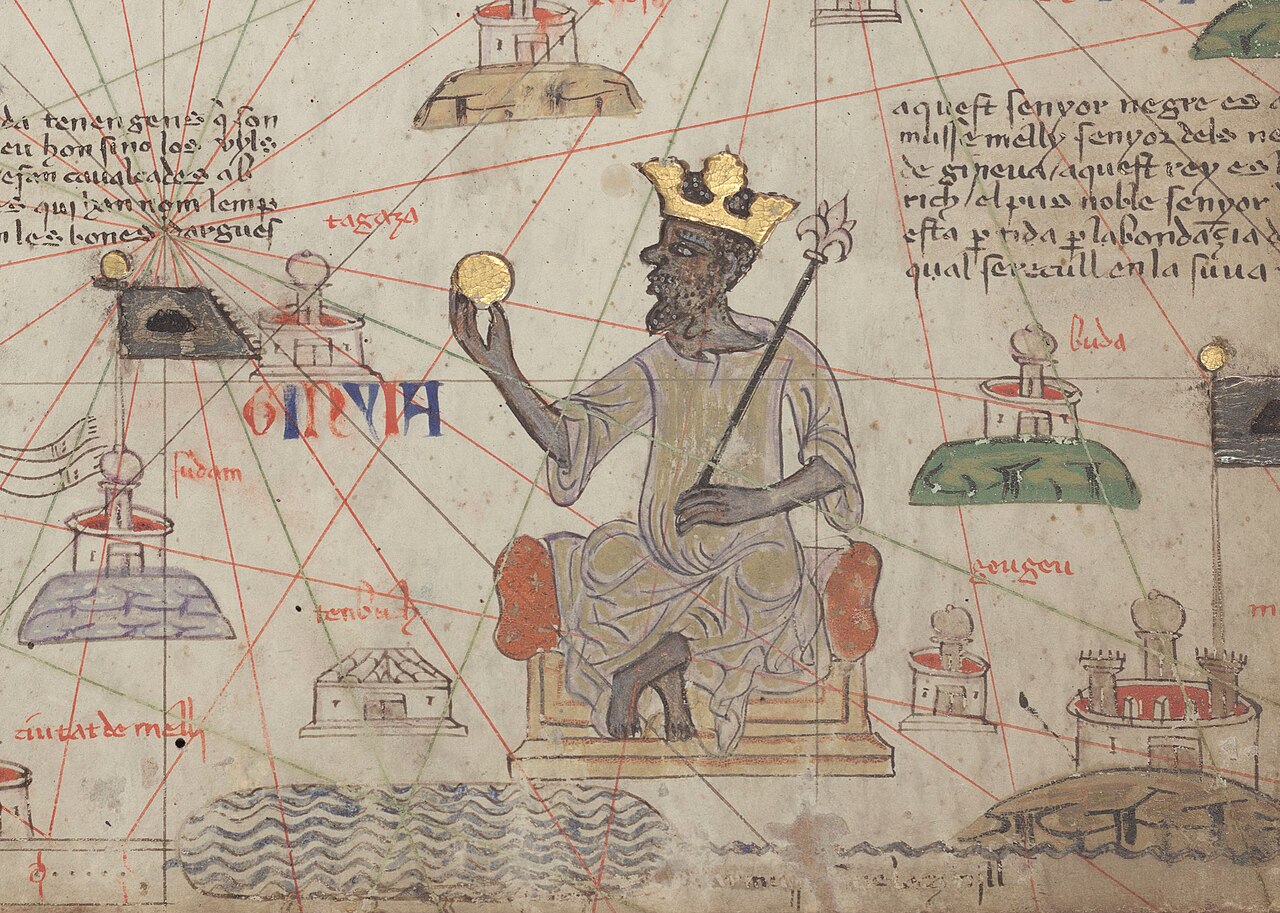
Written records of lending and credit stretch back to ancient Mesopotamia, where temple and palace administrations tracked loans of grain and silver on clay tablets as early as the third millennium BCE, sources historians generally treat as the earliest evidence of organized credit systems. In the medieval Islamic world, merchants developed sophisticated instruments for transferring money and value across great distances without physically moving coin, including a practice often referred to by the term hawala, an informal but highly trusted network through which a payment made in one city could be collected in another based on relationships between trusted agents. Written promissory instruments known as suftaja, which functioned much like a bill of exchange, allowed merchants and even pilgrims traveling long distances to avoid carrying cash through dangerous territory. In medieval Europe, religious military orders such as the Knights Templar operated an early and influential financial network in the twelfth and thirteenth centuries, allowing pilgrims and crusaders to deposit funds in one location, often in Europe, and withdraw an equivalent sum, minus fees, at a Templar house near their destination.
The Italian Banking Houses
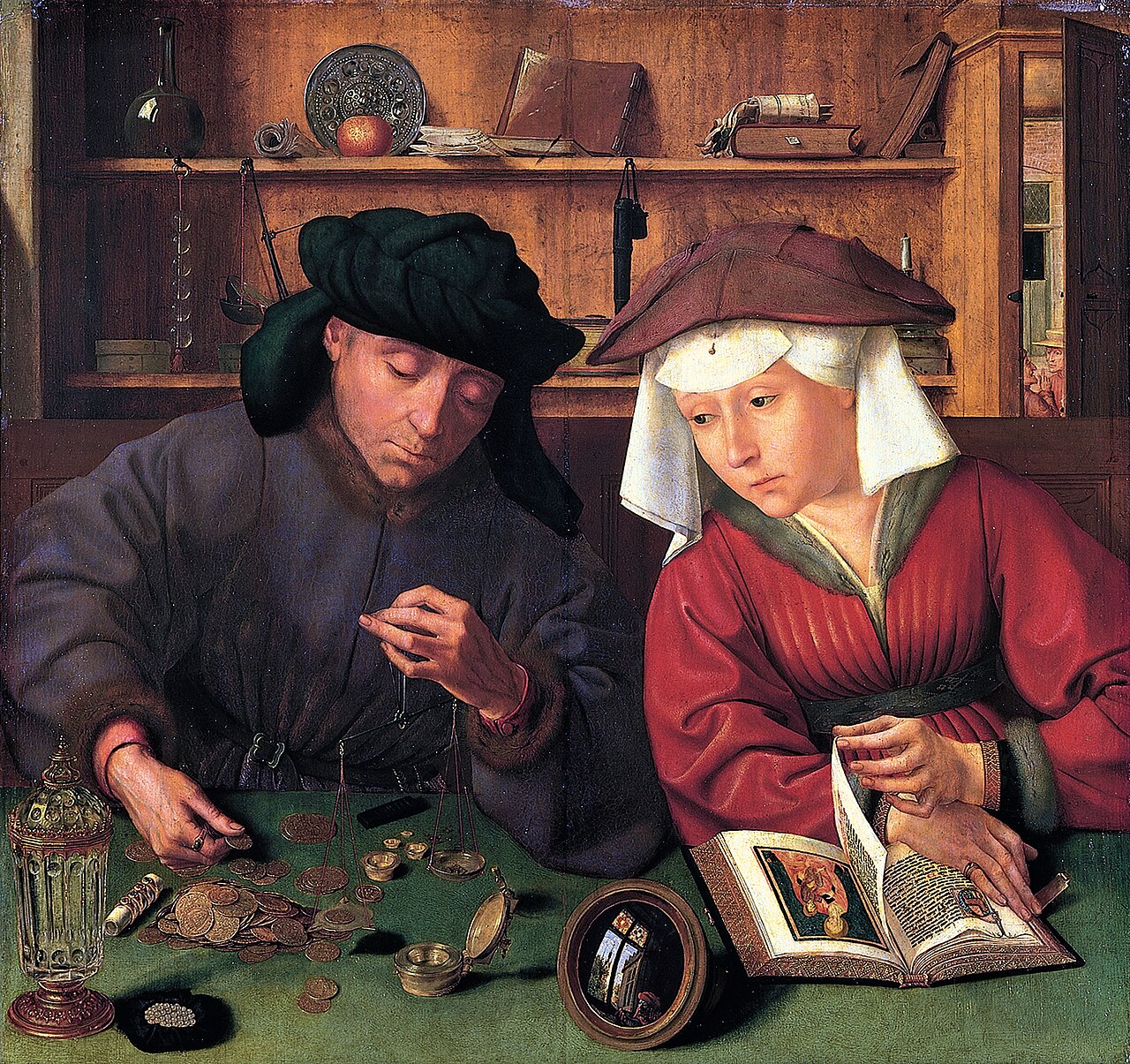
By the thirteenth and fourteenth centuries, a cluster of banking families based in Florence, Siena, and other northern Italian cities had become central to European finance. Houses such as the Bardi, Peruzzi, and later the Medici built networks of branches across Europe, extended credit to merchants, popes, and kings, and financed trade on a scale that had not previously been possible. These Italian bankers are widely credited by historians with popularizing, if not inventing, double-entry bookkeeping, a system of recording transactions that made it far easier to track debts, profits, and losses across a sprawling, multi-branch enterprise. The Medici Bank, founded in the late fourteenth century, grew into one of the most powerful financial institutions in Europe, with branches in cities including Rome, Venice, London, and Bruges, and its wealth helped finance the political and cultural life of Renaissance Florence.
Instruments That Made Trade Possible
A bill of exchange, a written order instructing one party to pay a specified sum to another, often in a different city or currency, became one of the most important financial tools of medieval and early modern commerce. It allowed a merchant in, say, Bruges to pay a supplier in Genoa without transporting physical coin across hundreds of miles of road and sea, while also functioning as a form of short-term credit, since payment could be timed to coincide with the sale of goods. Marine insurance, which spread the financial risk of a lost cargo or sunken ship among multiple underwriters, developed alongside these credit instruments in Mediterranean port cities and became standard practice among merchants engaged in risky long-distance voyages. These innovations were not without controversy. Christian doctrine during much of the medieval period condemned usury, the charging of interest on loans, as sinful, and Islamic law similarly prohibited riba, interest-bearing lending, prompting merchants and scholars in both traditions to develop alternative structures, such as partnerships that shared profit and risk rather than charging fixed interest, to finance trade within the bounds of religious law.
Risks, Failures, and Inequality
Early banking carried serious risks, and failures could be catastrophic. The Bardi and Peruzzi banking houses collapsed in the 1340s after England's King Edward III defaulted on enormous loans he had taken to finance war with France, a failure that rippled through the Florentine economy and contributed to a broader financial crisis. Access to credit was also deeply unequal. Formal banking relationships generally served wealthy merchants, nobles, and rulers, while small producers, artisans, and peasants more often relied on informal, and sometimes exploitative, local moneylending arrangements that could trap borrowers in cycles of debt. The concentration of financial power in a small number of banking families also gave those families substantial political influence, blurring the line between commercial finance and statecraft in cities such as Florence.
Lasting Significance
The credit instruments and institutions developed across the medieval Mediterranean, the Islamic world, and Renaissance Italy established practices that remain recognizable in global finance today: written instruments that substitute for the physical movement of money, systems for tracking debts and profits across distant branches, and shared-risk arrangements that let merchants and investors absorb losses that would otherwise sink a single trader. These tools made it possible to finance ever-larger and more ambitious trading ventures, including the chartered companies and oceanic voyages discussed in our article on the rise of chartered trading companies, and later the vast capital demands of industrial manufacturing covered in our piece on the Industrial Revolution and mass production. Banking and credit, often overlooked in favor of ships, goods, and explorers, were in many ways the quiet machinery that made the expansion of global trade financially possible at all. Explore more of this era in the medieval trade timeline.