Beginning in the second half of the eighteenth century and accelerating through the nineteenth, a wave of technological and organizational change transformed the way goods were produced, sold, and shipped around the world. What historians call the Industrial Revolution began in Britain and gradually spread across Europe, North America, and eventually much of the globe, replacing hand production and small workshops with mechanized factories capable of churning out goods in quantities and at prices never before possible. The shift reshaped global trade as profoundly as any development since the opening of oceanic shipping routes centuries earlier, and its consequences, for better and for worse, are still with us.
Origins in Britain
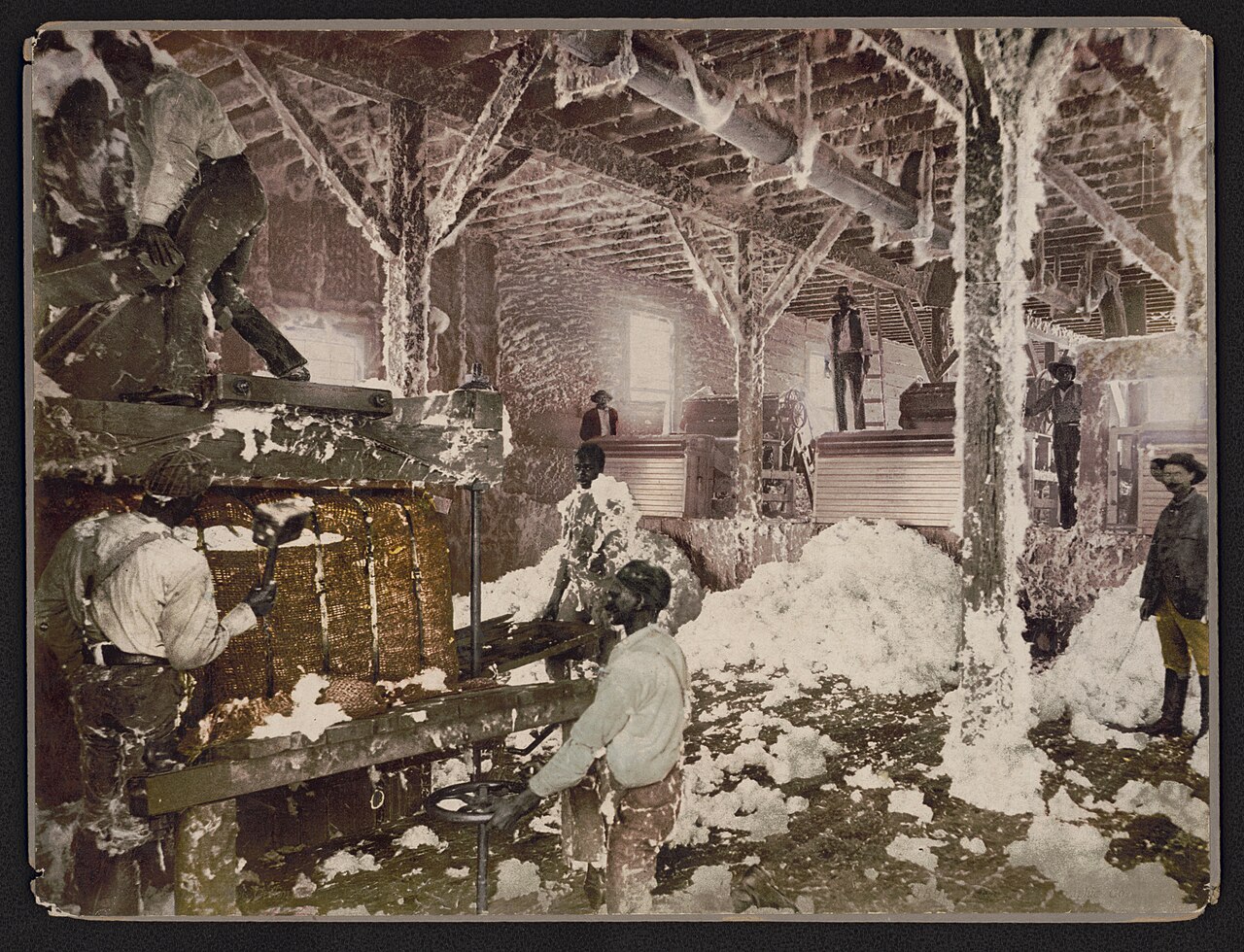
Many historians point to Britain in the mid-to-late 1700s as the starting point of industrialization, though they generally caution that the process unfolded gradually and unevenly rather than at a single identifiable moment. Several factors converged there: large deposits of coal and iron ore, a relatively advanced banking and credit system of the kind discussed in our article on banking and credit in early commerce, a growing colonial trade network supplying raw materials such as cotton, much of it produced through the forced labor explored in our article on Atlantic trade and the human cost of enslavement, and a legal and political environment that, however unevenly, favored private investment and patenting of new inventions. James Watt's improvements to the steam engine in the 1760s and 1770s, building on earlier designs, made it practical to power machinery with coal-fired steam rather than relying solely on water wheels, human labor, or animal power, freeing factories from the need to be located directly beside a fast-flowing river.
Mechanization and the Factory System
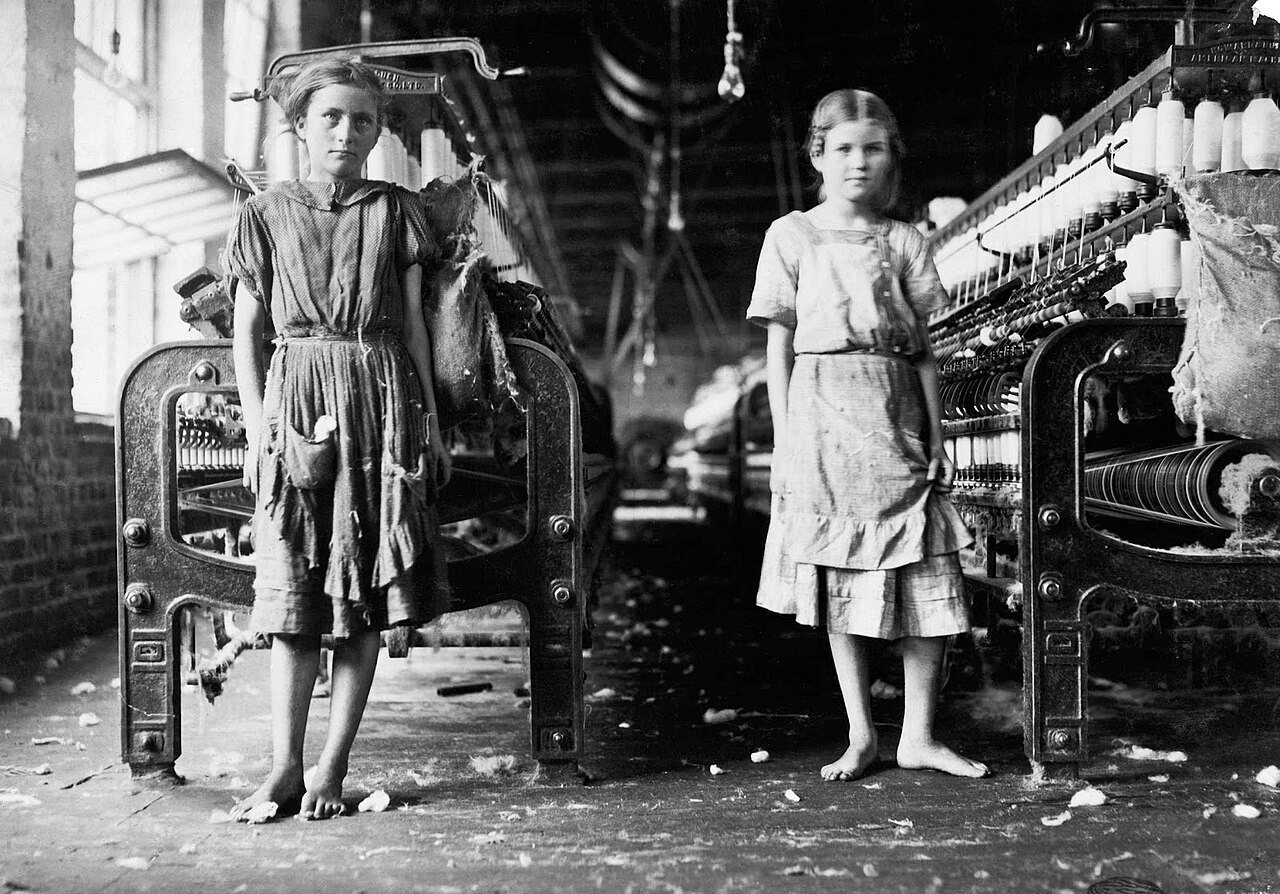
The textile industry led the way. Inventions such as the spinning jenny, developed in the 1760s, and later the power loom mechanized the spinning of thread and weaving of cloth, tasks that had previously been done largely by hand in homes or small workshops. These machines were too large, expensive, and power-hungry for individual households, so production increasingly moved into purpose-built factories where workers, including large numbers of women and children, operated machinery for long hours under strict and often dangerous conditions. Entire towns grew up around textile mills, particularly in the north of England, pulling workers away from agricultural life and into a new, often harsh, industrial labor system. Over the following decades, mechanization spread into other industries, including iron and steel production, pottery, and eventually food processing, as manufacturers across Europe and North America adopted steam power and specialized machinery.
Mass Production Spreads and Trade Expands
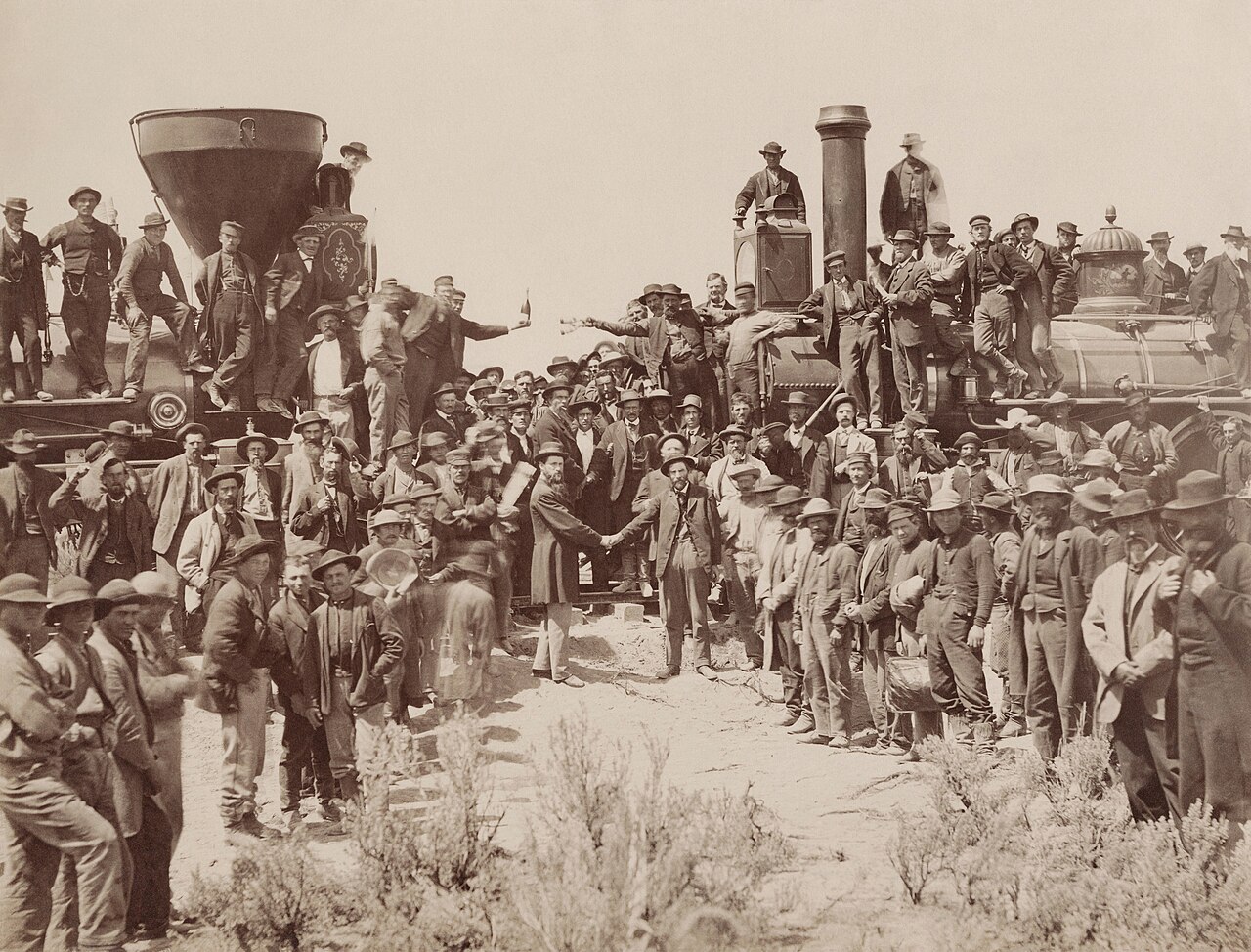
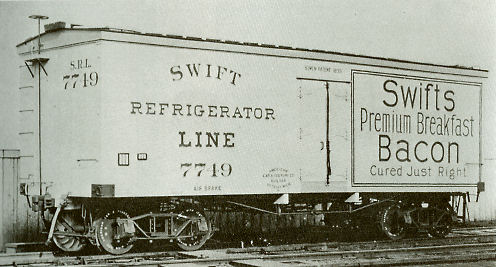
A related innovation, often associated with manufacturing in the United States during the early nineteenth century and sometimes called the American system of manufacturing, involved producing standardized, interchangeable parts that could be assembled into finished goods, such as firearms and later clocks and sewing machines, without hand-fitting each individual component. This approach dramatically increased the speed and lowered the cost of production, and it would eventually influence assembly-line methods used across many industries. At the same time, new transportation technologies, steam-powered ships and, from the 1830s onward, railroads, allowed raw materials and finished goods to move faster, more cheaply, and in far greater volumes than sailing ships and horse-drawn wagons had allowed. This expanded the reach of manufactured goods dramatically, connecting factory towns to the port cities discussed in our article on ports and the growth of commercial cities, and from there to markets across the world.
Social Costs and Benefits
Industrialization produced real and lasting benefits: manufactured goods, from cloth to tools to household items, became more abundant and affordable over time, and the productive capacity unleashed by mechanization eventually contributed to rising average living standards across industrializing countries. These gains, however, were slow to arrive and unevenly shared. Early industrial labor, particularly in textile mills and coal mines, often involved extremely long hours, dangerous machinery, child labor, and crowded, unsanitary urban living conditions for workers who had migrated from the countryside in search of wages. Industrial cities frequently suffered from severe air and water pollution, and labor movements, including early trade unions and reform campaigns, emerged specifically to fight for safer conditions, shorter hours, and restrictions on child labor, gains that took decades of organizing and, in many countries, legislative reform to achieve.
Lasting Significance
The Industrial Revolution reorganized global trade around manufactured goods produced at a scale and speed earlier eras could not have imagined, and it shifted economic power toward nations that industrialized earliest, often at the expense of regions that supplied raw materials or were drawn into colonial trading relationships on unequal terms. The factory system, mass production techniques, and transportation networks pioneered during this period laid the groundwork for the globally integrated supply chains that move goods around the world today. Understanding this era means recognizing both its genuine contributions to material abundance and the substantial human costs, borne disproportionately by workers, that accompanied its rapid transformation of how the world made and moved things. For more on this period, see the industrial trade timeline.