Markets as we understand them today, places where buyers and sellers gather on a predictable schedule to trade goods at negotiated or posted prices, were not present at the dawn of settled life. They developed gradually, over many centuries, as farming communities grew into cities, as institutions like temples and palaces took on administrative roles, and as the sheer scale of economic activity outpaced what informal, relationship-based exchange could handle. The record of this transition is uneven and comes mostly from a handful of well-documented regions, but it offers a clear sense of how ancient societies built the institutions that would eventually make organized commerce possible.
From Temple Storerooms to Standardized Measures
In ancient Mesopotamia, often cited by historians as one of the earliest regions with strong evidence of organized economic administration, temples and palaces functioned for centuries as redistribution centers. Farmers delivered grain, wool, and livestock to these institutions, which then reallocated goods to laborers, priests, and officials according to administrative records. Clay tablets from cities such as Uruk and Ur, some dating back roughly five thousand years by many archaeologists' estimates, record these transactions in cuneiform script, providing some of the oldest known written evidence of structured economic activity anywhere in the world.
A crucial development within this system was standardization. Weights and measures, used to assess quantities of grain, silver, and other commodities, were formalized so that transactions could be verified and disputes resolved. Silver, weighed out in units such as the shekel, increasingly served as a common reference for value, allowing goods as different as barley, textiles, and timber to be compared on a single scale even though coined money did not yet exist. The Code of Hammurabi, a Babylonian legal text compiled in the eighteenth century BCE according to most historians' dating, includes provisions regulating prices, wages, and contracts, which suggests that by this period a recognizable commercial culture, with rules that the state was willing to enforce, had taken shape.
Marketplaces Take Physical Form
Over time, exchange activity began to concentrate in dedicated physical spaces rather than remaining tied solely to temple or palace administration. In ancient Egypt, riverside landings and town squares served as informal markets where farmers, fishers, and craftspeople traded surplus goods, often using set equivalencies for common items rather than coined money, a system some historians describe as a form of managed barter. Archaeological and textual evidence from Egypt also shows specialized workers, including scribes, weavers, and metalworkers, receiving rations that functioned as a kind of wage, blurring the line between state redistribution and market-like exchange.
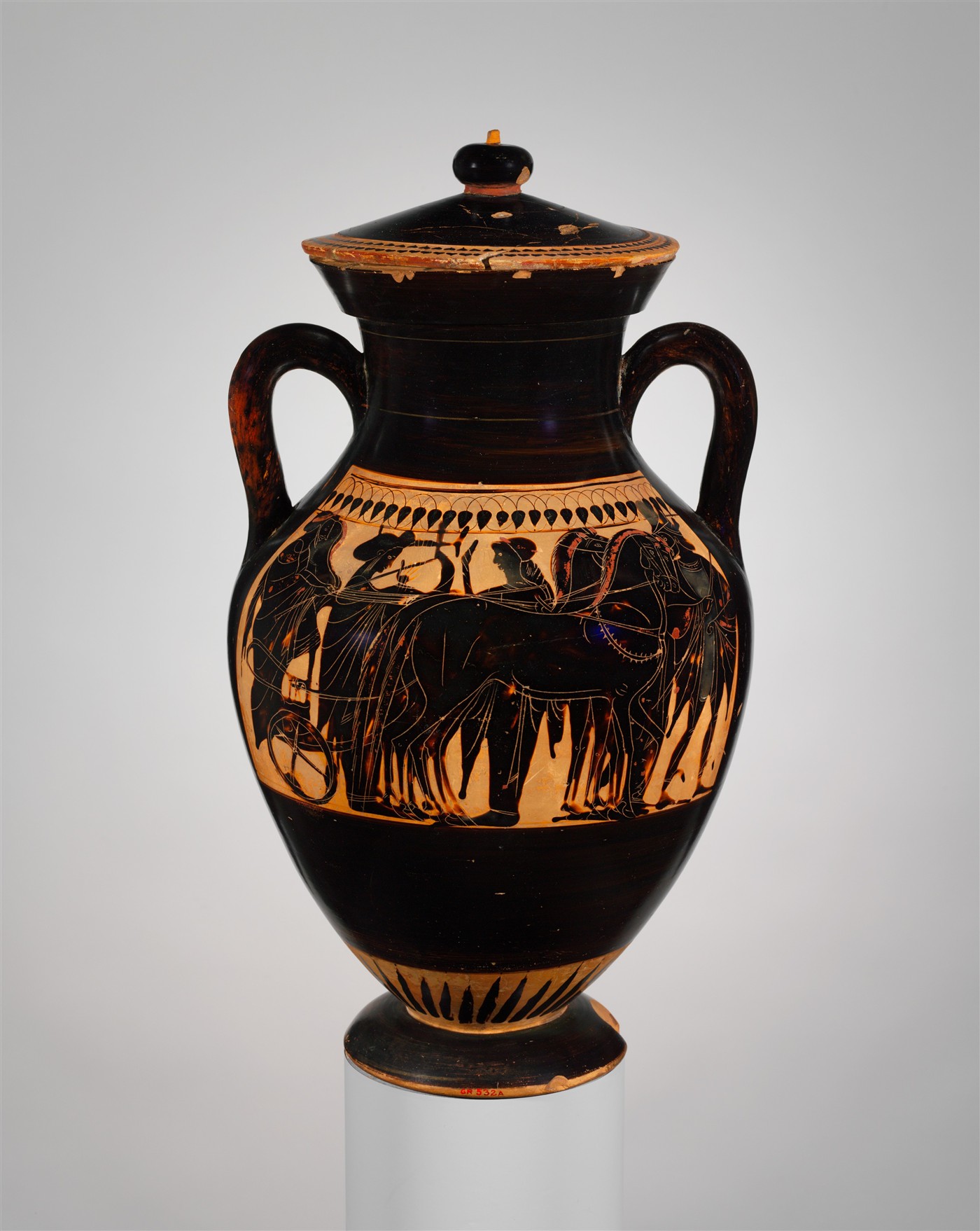
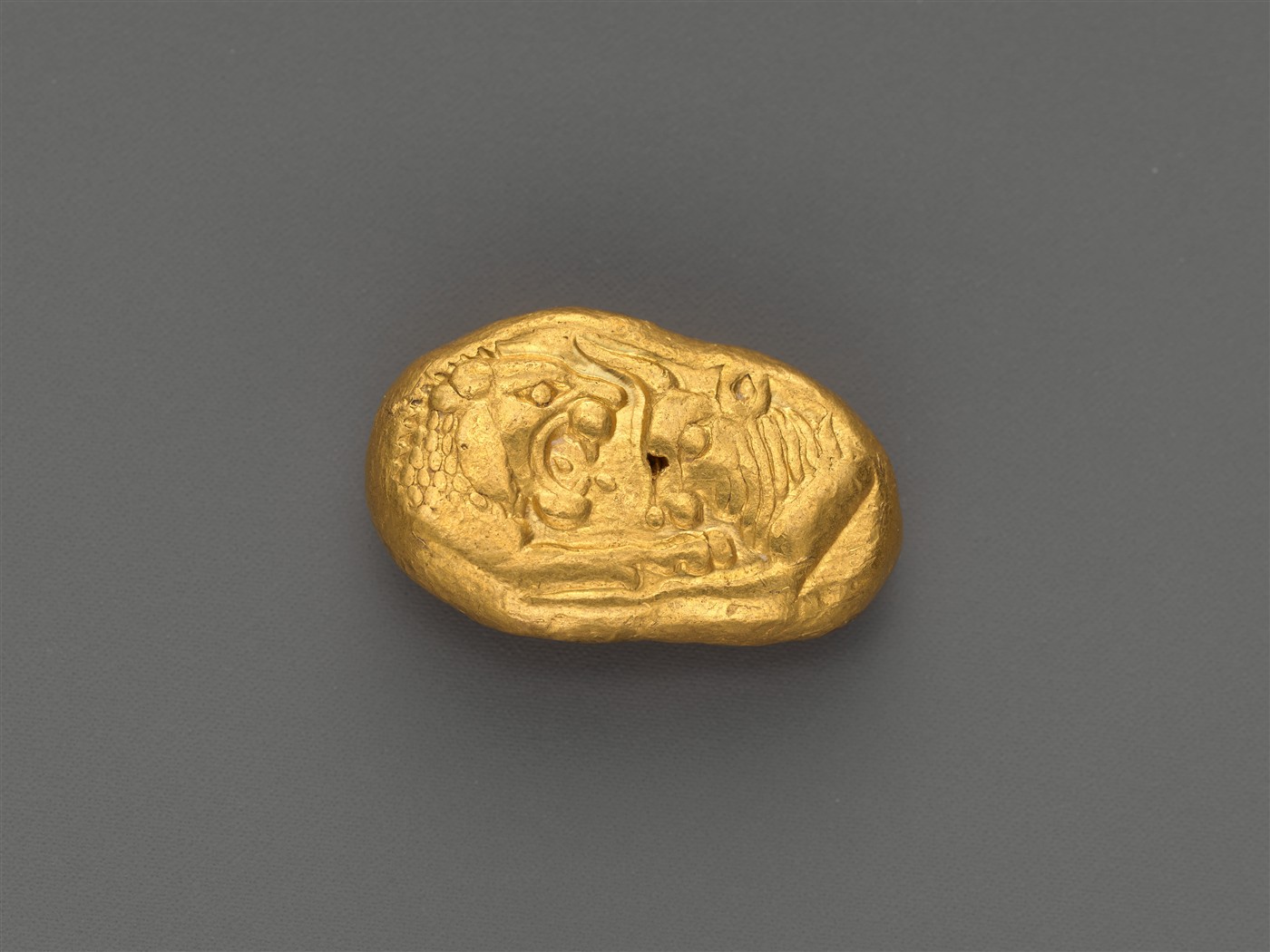
In ancient Greece, the agora emerged as a defining feature of city life, a central public space that served simultaneously as marketplace, civic forum, and social gathering point. By the time of classical Athens, in the fifth and fourth centuries BCE, the agora hosted merchants selling everything from olive oil and wine to pottery, fish, and imported goods from across the Mediterranean and beyond. The introduction of coinage, which many numismatists trace to the kingdom of Lydia in Asia Minor around the seventh century BCE, gave Greek and other Mediterranean markets a portable, divisible, and widely trusted medium of exchange that made small daily transactions far more practical than weighing out silver or bartering goods directly.
Rome later built on these precedents at an even larger scale. The Roman Forum and numerous regional marketplaces, or macella, supported commerce across an empire that stretched from Britain to North Africa to the Near East. Roman roads, harbors, and legal protections for contracts and property helped integrate distant provinces into networks of exchange, while a relatively stable coinage system, though it fluctuated and was debased at various points, gave merchants a shared standard of value across enormous distances. Developments in the Mediterranean basin during this period are explored further in the article on Mediterranean commerce.
Specialization, Growth, and the Costs of a Market Economy
The rise of organized markets went hand in hand with greater economic specialization. As cities grew, individuals increasingly focused on a single craft, such as pottery, metalworking, or textile production, relying on markets to obtain food and raw materials they no longer produced themselves. This specialization is widely credited by economic historians with driving improvements in craftsmanship and productivity, since skilled artisans working full time at one trade generally produced higher-quality goods than generalists dividing their labor across many tasks.
These gains, however, came with real costs that are important not to overlook. The same legal and administrative systems that enabled contracts and standardized prices also formalized debt in ways that could be devastating for ordinary people. In both Mesopotamia and early Greece, debt bondage and even outright enslavement were recognized legal consequences of failing to repay loans, and periodic debt crises, along with the political reforms enacted to address them, such as those attributed to the Athenian statesman Solon in the early sixth century BCE, reveal how destabilizing market-based debt could become for a society's poorer households. Market expansion could also concentrate wealth and land in fewer hands over time, as merchants and creditors who prospered from trade sometimes acquired the property of debtors who could not pay, deepening social inequality.
There were environmental and logistical costs as well. Growing demand for goods such as timber, metal ores, and agricultural surplus to supply urban markets placed pressure on surrounding landscapes, with some regions around the Mediterranean experiencing deforestation and soil depletion linked, at least in part, to the resource demands of expanding cities and their marketplaces, according to several environmental historians studying the ancient world.
A Foundation That Still Shapes Commerce Today
The marketplaces of ancient Mesopotamia, Egypt, Greece, and Rome were not simply precursors to modern commerce; they established enduring concepts that remain foundational to economic life, including standardized measurement, enforceable contracts, coinage, and the idea of a public space dedicated to exchange. These institutions allowed increasingly large and complex societies to coordinate the production and distribution of goods well beyond what personal relationships and informal reciprocity alone could support. They also introduced tensions, between efficiency and exploitation, between growth and inequality, that have recurred in market economies ever since. Readers interested in how similar market dynamics played out across even wider networks can explore the ancient trade timeline or learn how exchange itself first began in the article on early communities exchanging goods before currency.