The Mediterranean Sea, ringed by mountains and dotted with islands, could have divided the peoples living along its shores. Instead, for more than a thousand years in antiquity, it functioned as a connective highway, far faster and often cheaper to travel than overland routes, that bound together an extraordinary diversity of societies: Phoenician city-states, Greek poleis, Carthaginian colonies, Etruscan towns, Egyptian ports, and eventually the sprawling Roman Empire. Mediterranean commerce in the ancient world was never the achievement of a single people; it developed through the overlapping and sometimes competing activity of many different maritime cultures over many centuries.
Phoenician and Greek Foundations
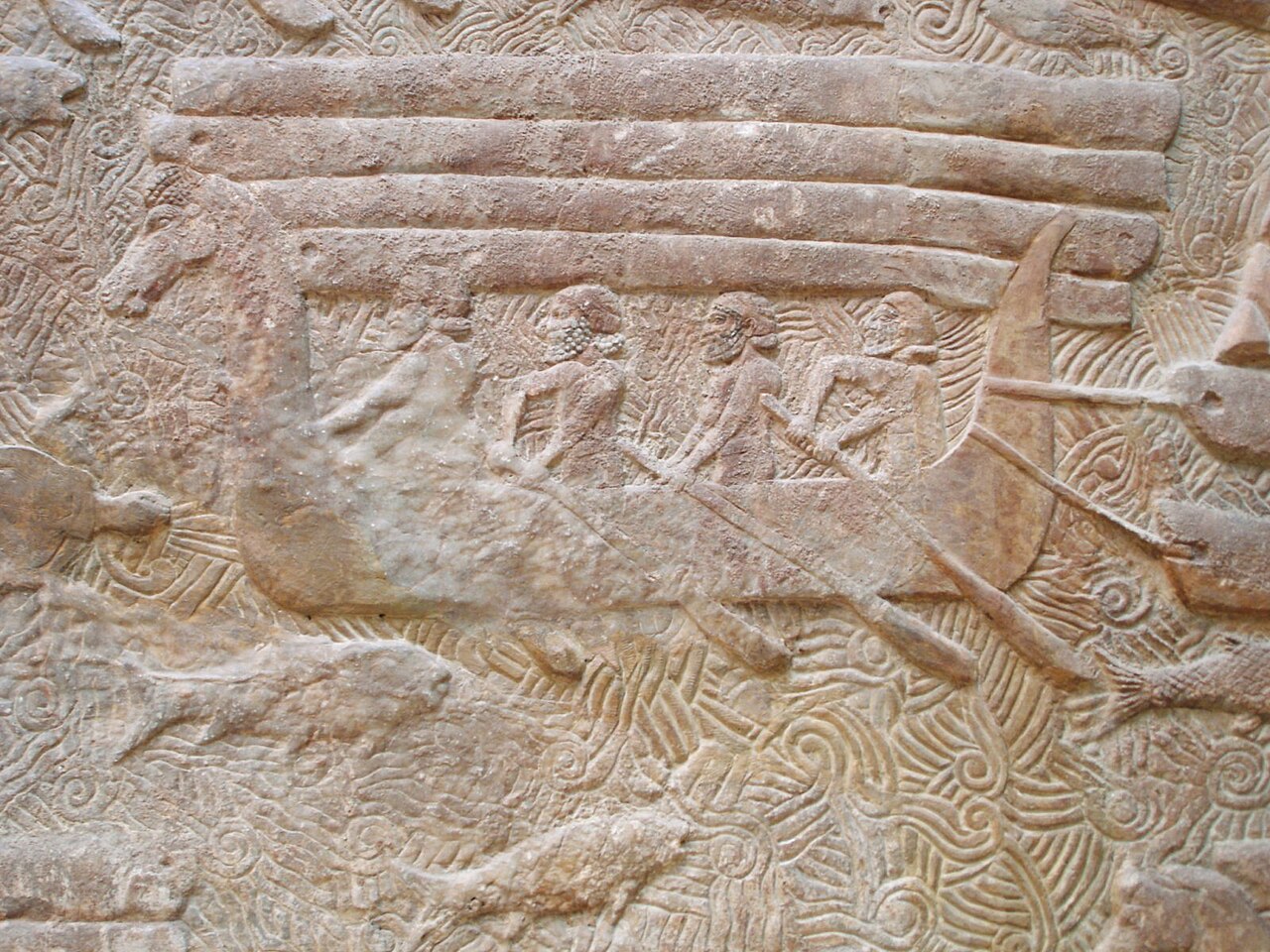
Many historians credit the Phoenicians, based in coastal cities such as Tyre, Sidon, and Byblos in the eastern Mediterranean, with establishing some of the earliest and most far-reaching maritime trade networks in the region, with activity that many scholars date to at least the early first millennium BCE, and likely earlier. Phoenician sailors established trading posts and colonies across the Mediterranean, including the famous settlement of Carthage on the North African coast, traditionally dated by ancient sources to the ninth century BCE, though the precise founding date remains debated among historians. These networks carried cedar timber, purple dye extracted from murex sea snails, glassware, and metalwork, along with the alphabet that Phoenician merchants are widely credited with spreading, which later Greek and other Mediterranean societies adapted for their own languages.
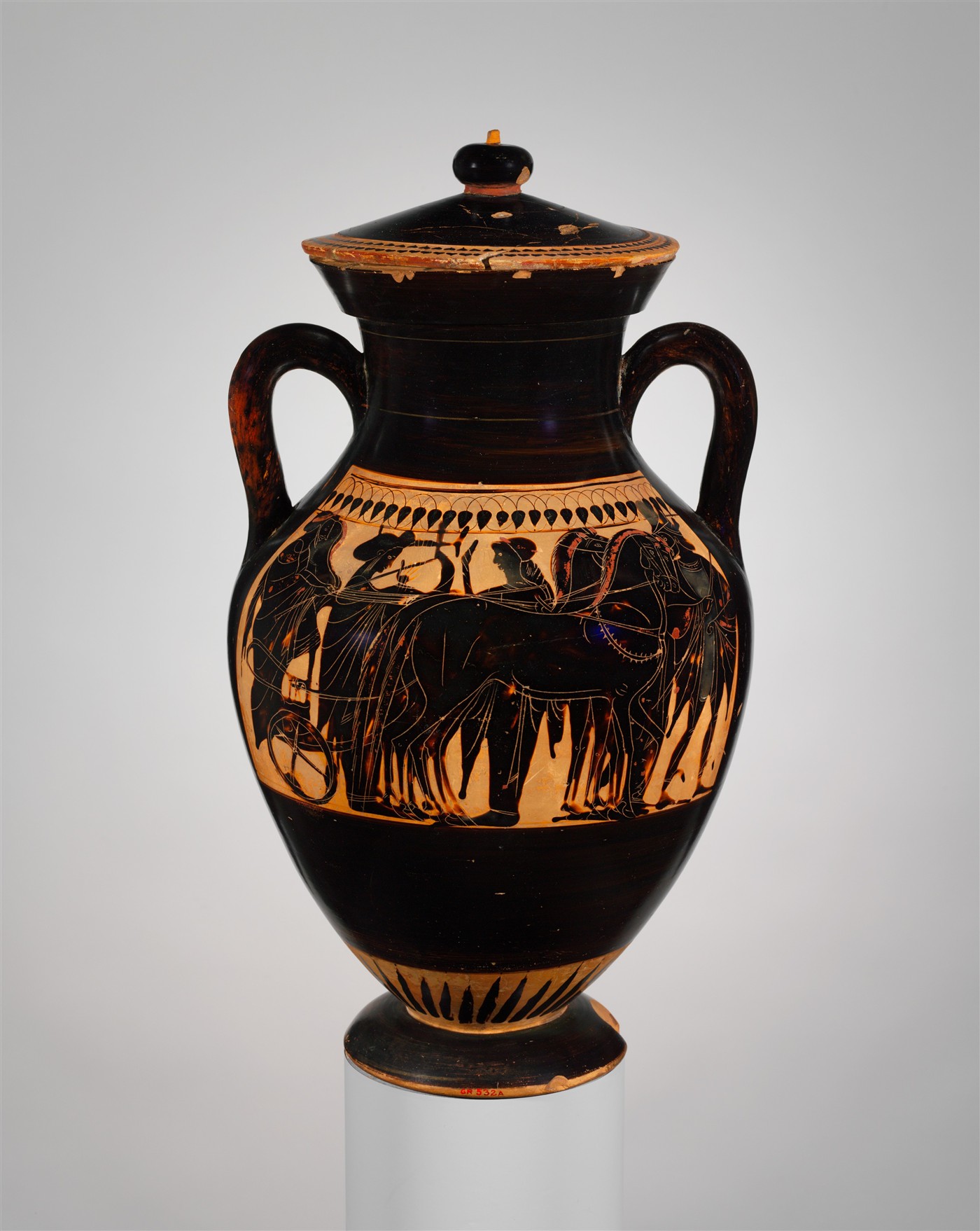
Greek city-states built extensively on these foundations, establishing their own colonies across the Mediterranean and Black Sea coasts, from Sicily and southern Italy to the shores of what is now Turkey, France, and the Crimean peninsula, generally between the eighth and sixth centuries BCE according to archaeological and literary evidence. Greek merchants exported olive oil, wine, and finely decorated pottery, and imported grain, timber, and metals from colonies and trading partners that often had far more arable land or mineral wealth than the relatively mountainous Greek mainland. Athens in particular grew heavily dependent on imported grain, much of it from the Black Sea region and Egypt, a dependency that shaped its foreign policy and made control of key sea lanes a matter of considerable strategic importance.
Carthage, Rome, and an Integrated Sea
Carthage grew from a Phoenician colony into a major commercial and naval power in its own right, dominating trade across much of the western Mediterranean for several centuries and developing extensive networks reaching along the Atlantic coast of Africa and Iberia, according to ancient sources and archaeological findings, though many details of these more distant ventures remain uncertain and are debated among historians. Carthaginian wealth and maritime reach eventually brought it into prolonged conflict with the expanding Roman Republic, and the Punic Wars, fought across the third and second centuries BCE, were in substantial part conflicts over control of lucrative trade routes and territories in Sicily, Iberia, and North Africa.
Rome's eventual victory and subsequent expansion transformed the Mediterranean into what Romans themselves came to call Mare Nostrum, "our sea." Under Roman control, piracy was substantially suppressed in many areas, standardized coinage circulated across an enormous territory, and a network of ports, roads, and legal protections for merchants and contracts knit together provinces from Spain to Syria. Grain shipments from Egypt and North Africa fed the city of Rome itself, which many historians estimate had grown to a population of roughly one million people by the height of the empire, an urban concentration that would have been impossible to sustain without reliable, large-scale maritime trade. Wine, olive oil, fine pottery known as terra sigillata, marble, glassware, and enslaved people all moved in large volumes across Roman Mediterranean trade routes. The broader context for how these market systems developed is explored in the article on markets in ancient societies.
The Human and Environmental Costs of a Connected Sea
Mediterranean commerce brought prosperity to many merchants, cities, and elites, but it rested on forms of labor and exploitation that should not be glossed over. The enslaved people who rowed many ancient warships and merchant vessels, worked in mines supplying tin, silver, and copper for Mediterranean trade, and labored on agricultural estates producing export crops endured brutal conditions, and slavery was deeply embedded in the economic systems of Phoenician, Greek, Carthaginian, and Roman societies alike. Piracy, far from a romantic adventure story, posed a constant and genuine threat to merchants and coastal communities throughout antiquity, and periods when piracy went unchecked could severely disrupt trade and endanger lives.
Competition over trade routes and resources also repeatedly erupted into warfare, from the Greco-Persian conflicts partly rooted in control of Aegean trade, to the Punic Wars, to numerous smaller conflicts between rival city-states and colonies. The environmental toll of sustained commercial activity was real as well: shipbuilding and construction consumed enormous quantities of timber, and several environmental historians point to evidence of deforestation around parts of the Mediterranean basin linked, at least in part, to demand for ship timber and fuel, along with soil erosion tied to intensive agricultural production for export markets such as olive oil and grain.
An Enduring Template for Maritime Trade
The commercial networks built across the ancient Mediterranean established patterns that would influence maritime trade for centuries afterward: specialized regional production tied together by sea routes, standardized currency accepted across diverse political jurisdictions, legal protections for merchants and contracts, and port cities that grew wealthy and culturally diverse as hubs of exchange. The Mediterranean's ancient trade networks also connected, at their eastern and southern edges, to overland and maritime routes reaching much further afield, including the networks described in the article on the Silk Roads and the river-based trade explored in the piece on trade along the Nile River. For additional context on the broader era, visit the ancient trade timeline. The successes and failures of this ancient system, prosperity built alongside exploitation and conflict, offer an early and instructive example of how deeply interconnected commerce can reshape an entire region's societies, economies, and environment.