Flowing north for more than four thousand miles before reaching the Mediterranean Sea, the Nile River gave ancient Egypt and its southern neighbor Nubia something few ancient societies possessed: a reliable, navigable highway running through the heart of their territory. Before roads, rail, or motor vehicles, moving heavy goods overland across long distances was slow, expensive, and labor-intensive. The Nile solved this problem for the societies along its banks, and trade along the river shaped the economy, politics, and culture of northeastern Africa for thousands of years.
A River That Made Long-Distance Trade Possible
The Nile's unusual geography, flowing from south to north while prevailing winds in the region generally blow from north to south, meant that boats could travel downstream with the current and upstream with the help of sails, making two-way river traffic remarkably efficient for the ancient world. This natural advantage allowed Egyptian and Nubian merchants, officials, and laborers to move grain, stone, timber, and other heavy goods across vast distances with far less effort than overland caravans would have required. Many historians consider the Nile one of the most favorable long-distance transport corridors available to any ancient civilization, a geographic gift that significantly shaped Egypt's development as a centralized, river-oriented state.
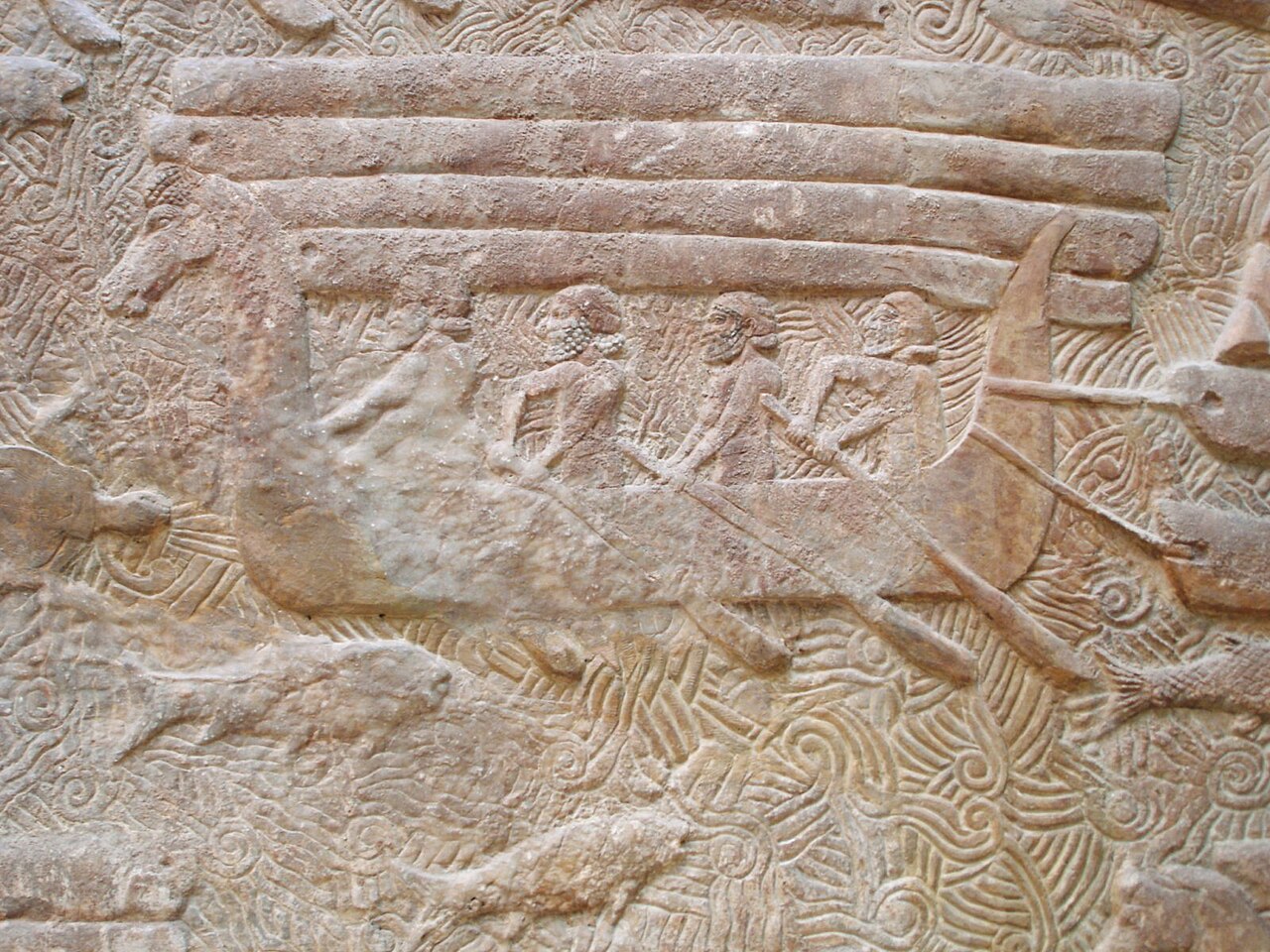
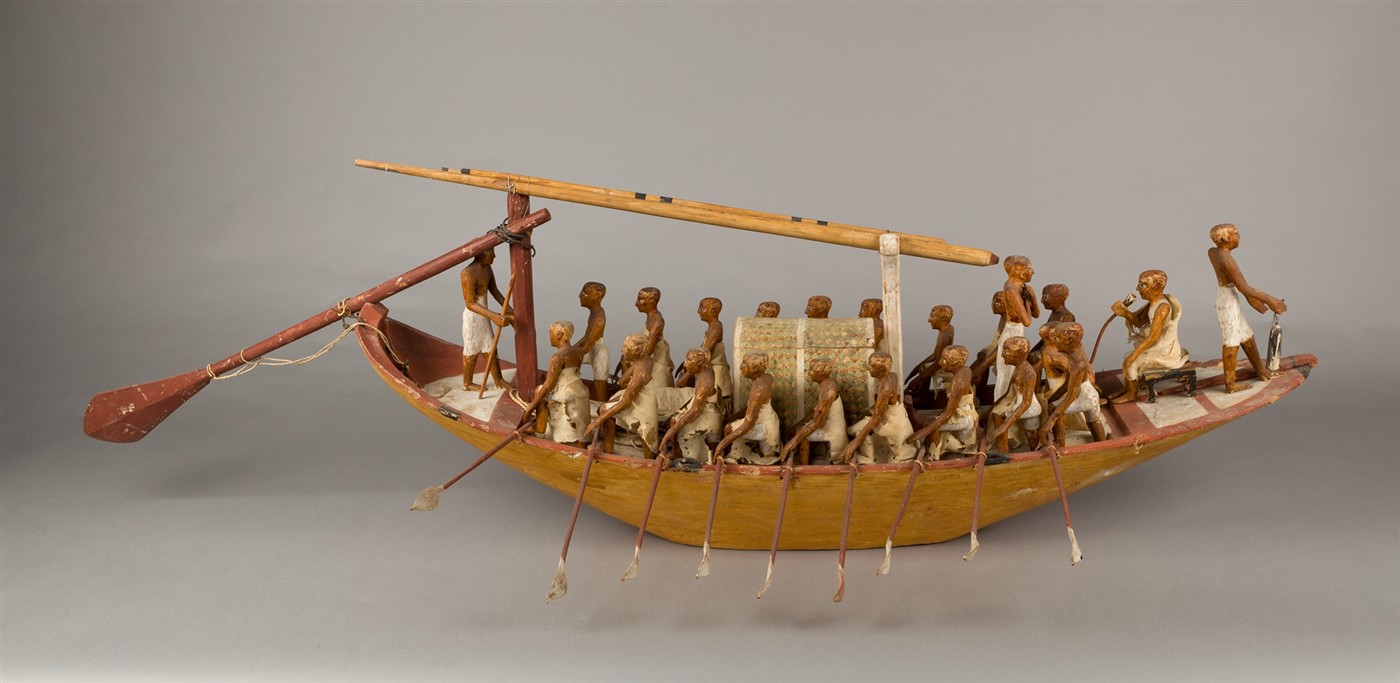
Boats on the Nile ranged from simple reed vessels used by fishers and local traders to large wooden cargo ships capable of transporting massive stone blocks for temple and pyramid construction, as well as oceangoing ships built for expeditions beyond the river itself. Harbors and landing points along the riverbanks functioned as informal markets and redistribution points, where goods moving along the Nile could be unloaded, stored, taxed, and exchanged before continuing their journey or reaching their final destination.
Goods, Regions, and the Egypt-Nubia Relationship
To the south of Egypt lay Nubia, a region encompassing much of present-day southern Egypt and Sudan, home to its own sophisticated kingdoms, including Kerma and later Kush, which at various points in history rivaled or even ruled Egypt itself. The relationship between Egypt and Nubia over roughly three thousand years combined trade, warfare, cultural exchange, and periods of direct political control in shifting and complex ways, and historians caution against describing it simply as one-directional domination, since Nubian kingdoms at times exercised significant power over Egypt, most notably during the twenty-fifth dynasty when Kushite rulers governed Egypt itself.
Nubia and regions further south supplied Egypt with gold, a resource so closely associated with Nubian territory that ancient Egyptian texts reportedly used a term for the region connected to gold itself, according to several Egyptologists. Ivory, ebony, exotic animal skins, incense, and enslaved captives also moved northward along the river from Nubia and from more distant parts of Africa reached through Nubian intermediary trade networks. In return, Egypt sent grain, linen, finished metal goods, and manufactured items southward. Egyptian expeditions also traveled south beyond the Nile's navigable stretches toward the Red Sea coast to reach the land ancient Egyptian texts call Punt, generally believed by most Egyptologists to have been located somewhere in the region of modern Eritrea, Sudan, or Somalia, though its precise location remains genuinely uncertain and debated among scholars. Expeditions to Punt, recorded in temple reliefs and inscriptions spanning many centuries, brought back incense, myrrh, exotic woods, and animals, goods that held significant religious and ceremonial importance in Egyptian temple life.
Grain surplus, made possible by the Nile's predictable annual flooding which deposited nutrient-rich silt across farmland, also allowed Egypt to export food northward across the Mediterranean in later periods, particularly under Greek and Roman rule, when Egypt became one of the most important grain-producing regions supplying the city of Rome itself, a role touched on in the article on Mediterranean commerce in the ancient world.
The Administrative State Behind the River Trade
Egypt's centralized government took an active role in organizing and taxing trade along the Nile, which many historians argue was itself partly made possible by the administrative demands of managing river-based agriculture and transport. Officials tracked flood levels, assessed harvests, and collected taxes in grain and goods, creating detailed records that historians and archaeologists have used to reconstruct much of what is known about the ancient Egyptian economy. Royal and temple expeditions to Nubia and Punt required significant organization, funding, and labor, and the goods these expeditions brought back were often concentrated in temples and royal storehouses rather than freely circulating through open markets, at least in earlier periods of Egyptian history.
Exploitation, Conflict, and the River's Darker History
The prosperity generated by Nile trade did not benefit everyone equally, and the river's economic importance came with significant human costs. Military campaigns into Nubia, launched periodically by various Egyptian dynasties to secure access to gold mines and trade routes, brought warfare, conquest, and the capture of prisoners who were then enslaved and put to work, often in the same mines and quarries that produced the resources Egypt sought. Forced labor was also used extensively within Egypt itself for major construction and mining projects tied to the resources the Nile trade network depended on, and conditions for laborers, particularly those conscripted or enslaved, were frequently harsh.
The relationship between Egypt and Nubia, while it included genuine cultural exchange and periods of Nubian political ascendance, also involved extended periods of Egyptian military domination, resource extraction, and the imposition of Egyptian administrative and cultural practices on Nubian territory, a pattern some historians describe in terms similar to later colonial relationships, while others caution against mapping modern colonial frameworks too directly onto ancient political dynamics. Either way, the historical record makes clear that the wealth generated by Nile trade was built in part on coerced labor and military conquest, not solely on peaceful commercial exchange.
A Model for River-Based Trade in World History
Trade along the Nile demonstrates how a single geographic feature, a long, navigable, and predictable river, could shape the economic and political structure of an entire civilization for millennia. The patterns established there, centralized administration of river traffic, specialized regional production linked by water transport, and the extension of trade networks far beyond the river's own banks into the Red Sea and Mediterranean worlds, offer an instructive case study in how rivers more broadly have functioned as corridors of ancient commerce across the world. The Nile's trade networks also connected Egypt to the wider commercial world explored in the ancient trade timeline, linking northeastern Africa to Mediterranean and Near Eastern trade systems that together shaped much of the ancient world's economic life.