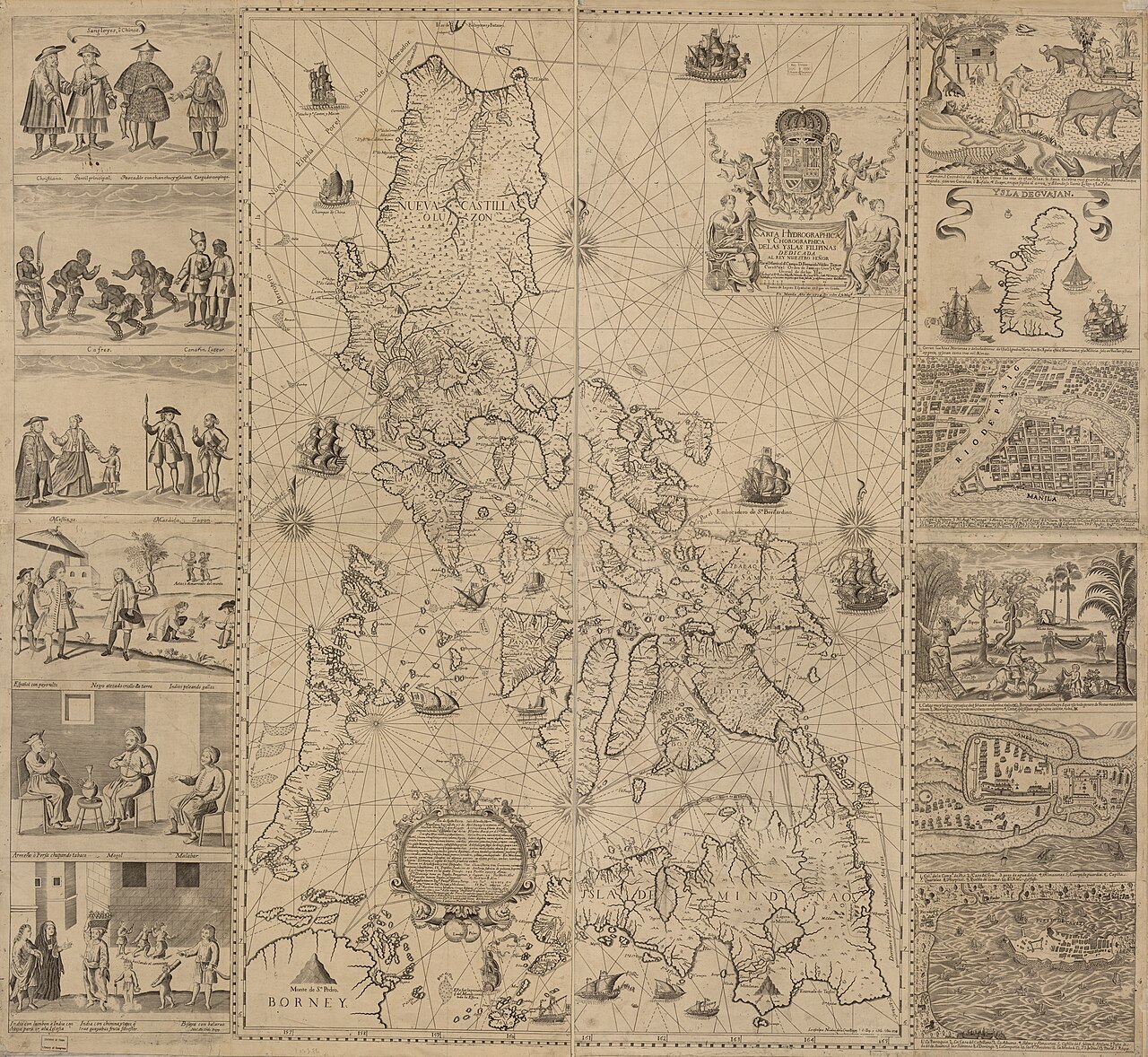
For roughly two and a half centuries, from 1565 until 1815, a line of Spanish ships known as the Manila galleons crossed the Pacific Ocean once or twice a year, linking the port of Acapulco in New Spain, present-day Mexico, with Manila in the Philippines. The route carried American silver westward and Asian luxury goods eastward, and in doing so stitched together the Americas, Asia, and Europe into what many economic historians consider the first genuinely global trade circuit. The galleon trade's importance went well beyond the value of any single cargo: it helped make silver the world's first truly international currency and reshaped economies on both sides of the Pacific.
Connecting Two Oceans: Origins of the Acapulco-Manila Route
Spanish interest in the Pacific grew out of its earlier colonization of the Americas and its search for a direct route to the spice-producing islands of Southeast Asia. Ferdinand Magellan's expedition had crossed the Pacific in the 1520s, but it was the expedition led by Miguel López de Legazpi, together with the navigator Andrés de Urdaneta, that established a lasting Spanish presence in the Philippines and, in 1565, identified a workable return route across the Pacific to the Americas using favorable wind and current patterns. This return route, sometimes called the Urdaneta route, made regular two-way trade across the Pacific possible for the first time and allowed Manila to be established as Spain's primary trading post in Asia.
Manila's location gave Spanish merchants access to a wider web of Chinese, Japanese, and Southeast Asian trading networks without requiring Spain to maintain a large territorial presence in mainland Asia. Chinese merchants in particular sailed to Manila in large numbers to trade, and a dedicated merchant quarter known as the Parian grew up outside the Spanish walled city to house them.
Silver from Potosí and Zacatecas: Fueling a Global Currency
The cargo that made the galleon trade so lucrative was silver, mined in enormous quantities from sites such as Potosí in present-day Bolivia and Zacatecas in Mexico. Spanish colonial mints struck this silver into coins, most famously the silver peso or "piece of eight," which became one of the most widely circulated currencies in the early modern world. Much of this silver did not stay in the Americas or travel only to Spain; a very large share, historians estimate, flowed directly across the Pacific to Manila and from there into China.
Chinese demand for silver was unusually strong during this period partly because of Ming dynasty tax reforms that required payment in silver rather than in grain or other goods, creating a sustained need for the metal that Chinese domestic mines could not fully supply. Some economic historians argue that the resulting flow of American silver into China through Manila was significant enough to influence prices and monetary conditions across much of the trading world, effectively linking the economies of Spanish America, Ming and later Qing China, and Europe through a single global monetary system centered on silver.
Silk, Porcelain, and the Goods of the Galleon Trade
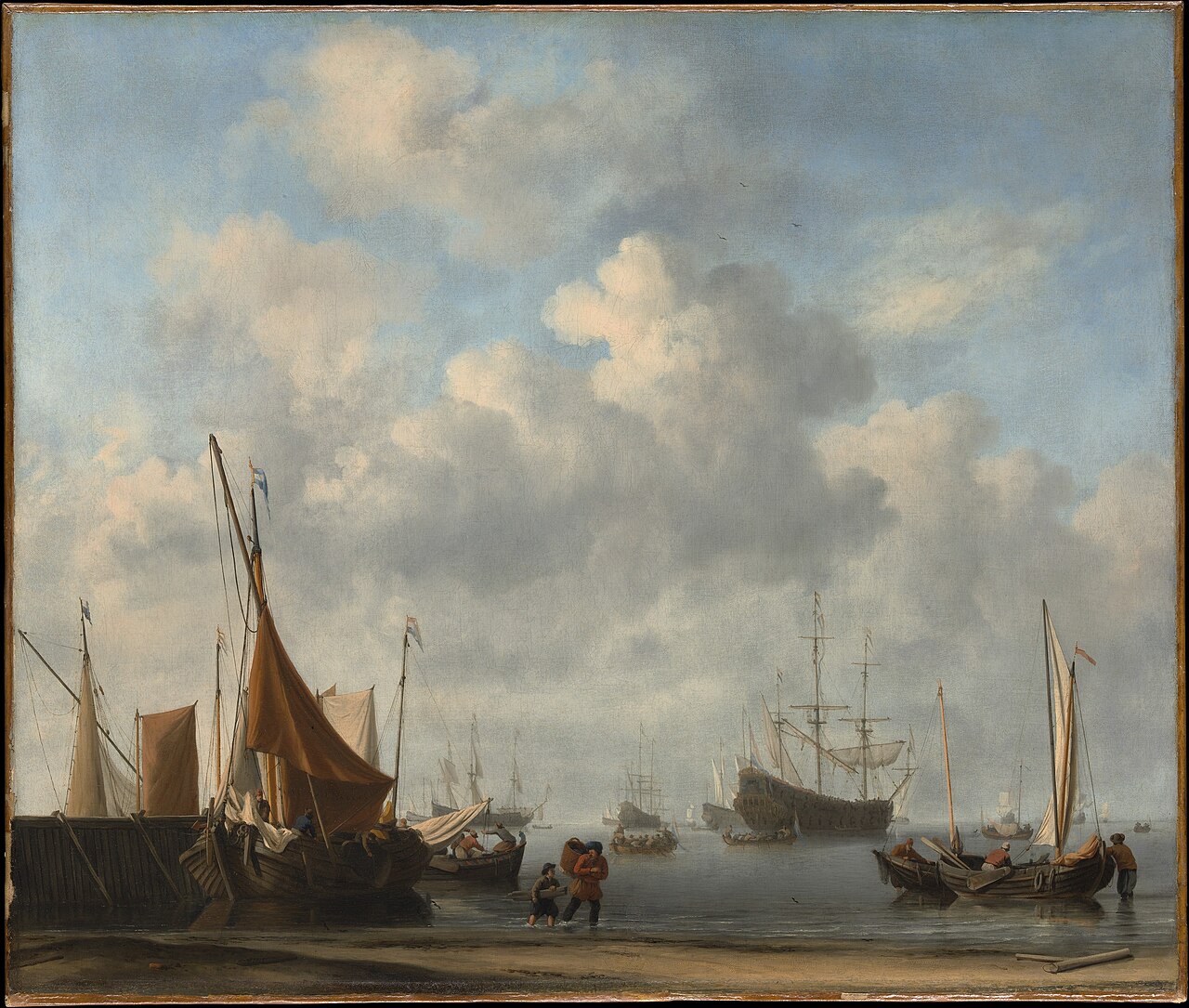
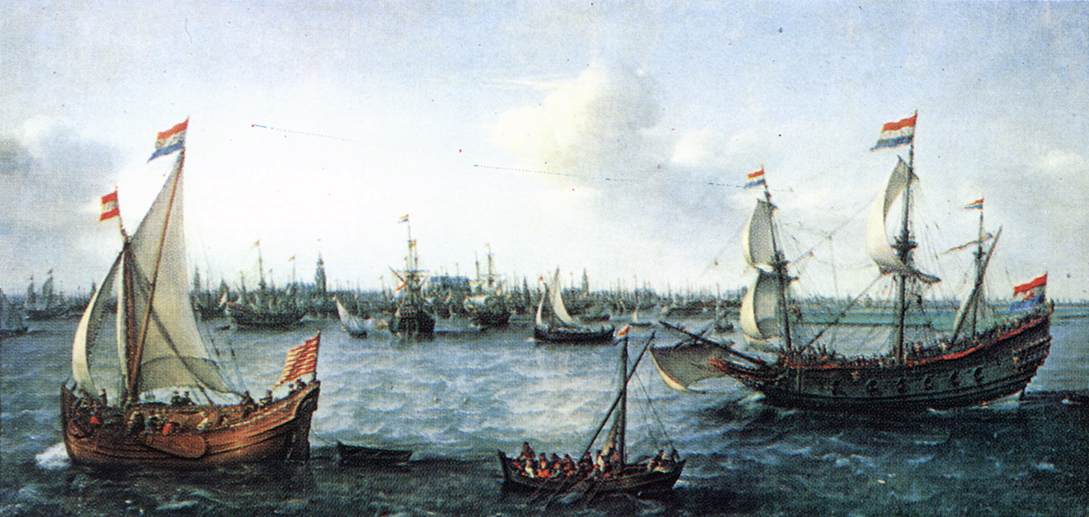
In exchange for silver, Chinese merchants supplied the galleons with silk textiles and finished garments, porcelain, lacquerware, and other luxury goods that were highly prized in colonial Mexico and, when reshipped overland and by sea, in Spain and the rest of Europe. Goods from Japan and other parts of Southeast Asia also passed through the Manila trading hub. The galleons themselves were among the largest ships of their era, built to withstand the long and hazardous Pacific crossing, which could take several months and exposed crews to scurvy, storms, and the risk of shipwreck. Some galleons also fell prey to rival European privateers seeking to seize their valuable cargo.
Economic and Social Consequences Across Two Hemispheres
The galleon trade had far-reaching effects, not all of them positive. It fostered genuine cross-cultural exchange, with Chinese, Filipino, and Mexican communities influencing each other's cuisines, crafts, and in some cases populations through the Chinese merchant communities that settled permanently in Manila and the Filipino sailors and laborers, some of whom later settled in parts of colonial Mexico. It also drove the mechanical and administrative development of Pacific port cities and contributed to a genuinely interconnected early modern global economy.
At the same time, the silver that fueled the trade was extracted through punishing colonial labor systems, including the forced labor draft known as the mita, which compelled Indigenous Andean communities to work in deadly conditions in mines such as Potosí, with scholars estimating extremely high death tolls over the system's long operation, figures that remain difficult to establish precisely given the surviving records. The concentration of trade through a single annual or semiannual galleon sailing also made the system vulnerable to catastrophic loss when ships sank or were captured, and some historians argue that the heavy reliance on bullion exports contributed to inflation and underdevelopment of other productive sectors within the Spanish colonial economy.
The Galleon Trade's Place in the Story of Global Commerce
The Manila galleon trade ended in 1815, as Spanish colonial authority weakened and new trading patterns, including growing direct European and American trade with China, made the old route less essential. Its historical significance, however, remains substantial. By linking the mines of the Andes to the markets of Ming and Qing China through a single sustained trade route, the galleon system is often cited by historians as one of the earliest clear examples of a genuinely integrated global economy, in which events in one hemisphere, a change in Chinese tax policy, a strike of silver ore in the Andes, could measurably affect prices and livelihoods half a world away. The broader policy environment that shaped Spain's approach to colonial trade monopolies is discussed further in the article on mercantilism and early modern trade politics, and readers can explore related developments on the maritime trade era timeline.