The civilizations that arose in the river plains of Mesopotamia, in what is now Iraq, built some of the earliest cities, the earliest writing systems, and some of the earliest large-scale trade networks anywhere in the world. The irony at the center of this achievement is geographic: the flat alluvial land between the Tigris and Euphrates rivers was extraordinarily fertile but almost entirely lacking in timber, building stone, and metal ores. To obtain what their growing cities needed, Sumerian, Akkadian, Babylonian, and Assyrian societies built exchange networks that stretched from the Mediterranean coast to the Iranian plateau and, by sea, as far as the Indus Valley, while later empires increasingly extracted goods not through trade alone but through tribute imposed on conquered and subordinate peoples.
Resource-Poor Land, Resource-Hungry Cities
Sumerian city-states such as Uruk, Ur, and Lagash, which many historians place among the world's earliest cities by the later fourth millennium BCE, depended on imported materials for almost every major building and craft project. Timber for roof beams and temple construction came from the Zagros Mountains and, notably, from the cedar forests of the Lebanon region. Copper arrived from sources in Oman, known to Mesopotamians as Magan, and Cyprus, while tin, essential for producing bronze, is widely believed by historians to have traveled from sources as distant as Central Asia or Afghanistan, though the exact routes tin took to reach Mesopotamian smiths remain a subject of ongoing scholarly debate.
In exchange, Mesopotamian cities offered textiles, particularly wool cloth produced on a considerable scale, along with grain surpluses and finished craft goods. Temple and palace institutions organized much of this exchange, employing merchants who handled transactions on behalf of these institutions as well as on their own account. Stone for monumental sculpture, such as diorite and alabaster, along with semi-precious stones and incense resins similar to those traded across Arabia, also moved into Mesopotamia from Iran, the Gulf, and beyond, reflecting a network that touched nearly every category of raw material the alluvial plain itself could not supply.
Trade Networks Linking the Gulf, the Indus, and the Levant
Cuneiform texts recovered from Mesopotamian archives describe trade with a place the Sumerians and Akkadians called Meluhha, which most historians now identify with the Indus Valley Civilization, and with Dilmun, generally associated with the island of Bahrain and nearby Gulf coastlines, which served as an intermediary trading hub. Goods moving along this maritime route are thought to have included carnelian beads, ivory, exotic woods, and possibly cotton textiles, items that have also turned up at archaeological sites within the Indus Valley itself, suggesting exchange flowed in both directions.
Overland, lapis lazuli, the deep-blue semiprecious stone found in royal burials at Ur, is understood by virtually all specialists to have originated in the Badakhshan region of what is now northeastern Afghanistan, meaning it traveled well over a thousand miles, likely through a sequence of intermediary traders rather than a single direct journey, before reaching Mesopotamian workshops.
Merchant Colonies and the Old Assyrian Textile Trade
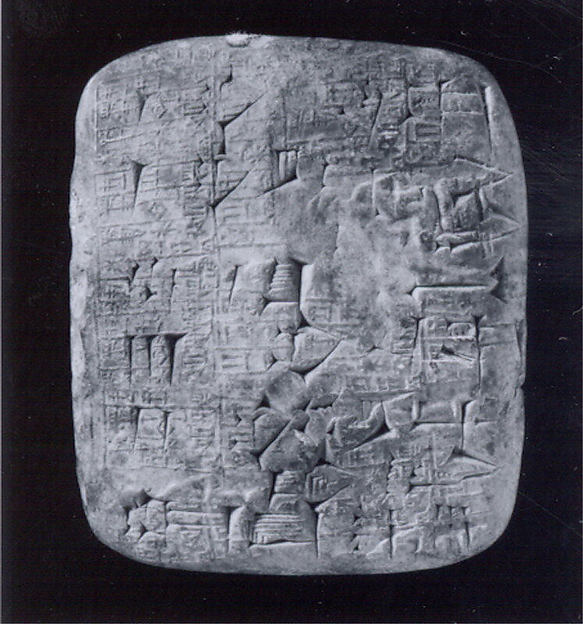
One of the best-documented episodes of Mesopotamian long-distance trade comes from the Old Assyrian period, roughly the early second millennium BCE, when merchants from the city of Ashur established a trading colony, known as a karum, at Kanesh in central Anatolia. Thousands of cuneiform tablets recovered from Kanesh describe a trade in which Assyrian merchants organized donkey caravans carrying tin and textiles, including finely woven wool cloth produced in Mesopotamian workshops, northward to Anatolia in exchange for silver and gold. These archives, largely private business correspondence rather than royal inscriptions, give historians an unusually detailed picture of how family firms financed caravans, negotiated with local Anatolian rulers who taxed the trade, and resolved disputes over credit and partnership, revealing a level of commercial sophistication, including contracts, loans, and long-distance credit arrangements, that predates the Hammurabi-era legal codes most people associate with ancient Mesopotamian law. Silver, rather than any single standardized coinage, which had not yet been invented, functioned as a common measure of value across these transactions, a practice that would remain central to Mesopotamian and wider Near Eastern commerce for centuries afterward.
From Temple Exchange to Imperial Tribute
As Mesopotamian political structures grew more centralized, under the Akkadian Empire beginning in the twenty-fourth century BCE by many estimates, then later under Babylonian and Assyrian rule, the character of long-distance exchange shifted. Alongside continued commercial trade, expanding empires increasingly extracted resources directly from subject territories in the form of tribute: fixed payments of metal, livestock, grain, textiles, or labor imposed on conquered regions and vassal states.
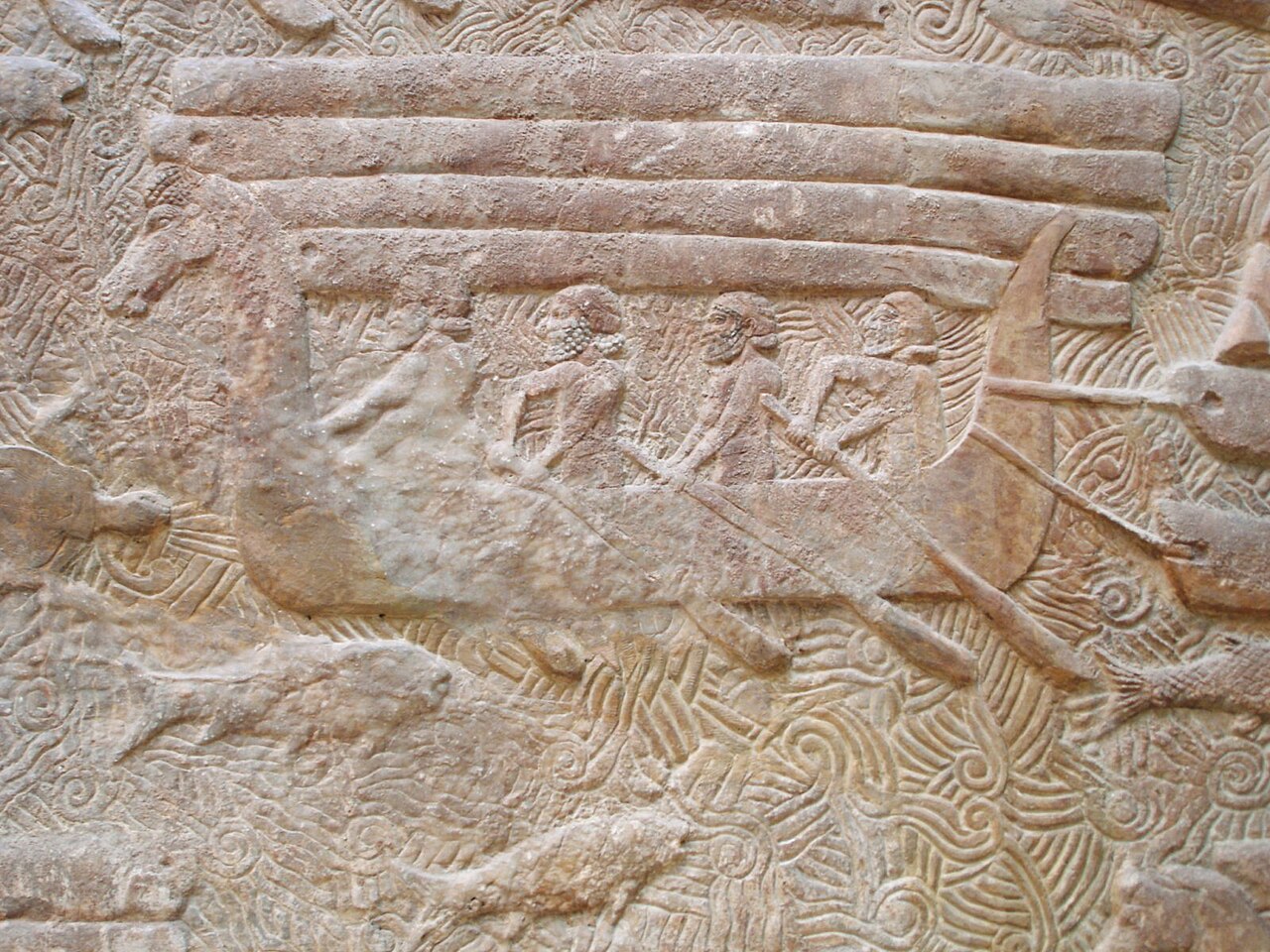
The Neo-Assyrian Empire, which by the ninth through seventh centuries BCE controlled territory stretching from western Iran to Egypt at its height, is particularly well documented in this respect. Palace reliefs and administrative texts describe tribute processions bringing metals, exotic animals, and craft goods from across the empire to the Assyrian court, a system that blurred the line between trade, taxation, and outright plunder depending on how a given relationship with the center was structured.
Record-Keeping, Inequality, and the Costs of Empire
The administrative demands of managing trade and tribute are widely credited by historians as one of the major pressures that drove the development of cuneiform writing, first used for economic record-keeping before it was adapted to literature, law, and royal inscriptions. In this sense, Mesopotamian trade networks helped produce one of humanity's most consequential technologies.
That achievement came with real costs. Tribute obligations placed on weaker states and conquered populations could be severe, and the Assyrian empire in particular is documented as having used mass deportations of populations, forced labor, and military coercion to secure resources and submission from subject peoples. Even within Mesopotamian cities, the benefits of long-distance trade accrued disproportionately to temple and palace elites and the merchant families connected to them, while much of the underlying agricultural and craft labor was performed by a broader population that saw far less of the resulting wealth. Competition over access to resource-rich regions, including repeated campaigns toward the Zagros Mountains, the Levant, and the Gulf, also fed recurring warfare across the region for centuries.
Mesopotamia's Lasting Imprint on Trade History
Mesopotamia's combination of long-distance commercial exchange and coercive tribute extraction set patterns that would recur throughout ancient and later history: the use of trade networks to compensate for regional scarcity, the reliance of early writing on economic necessity, and the uneasy overlap between voluntary exchange and extracted tribute within a single imperial system. For a look at how another resource-poor desert region built wealth through long-distance trade in valued goods, see The Incense Routes of Ancient Arabia, or explore more of the ancient era timeline.